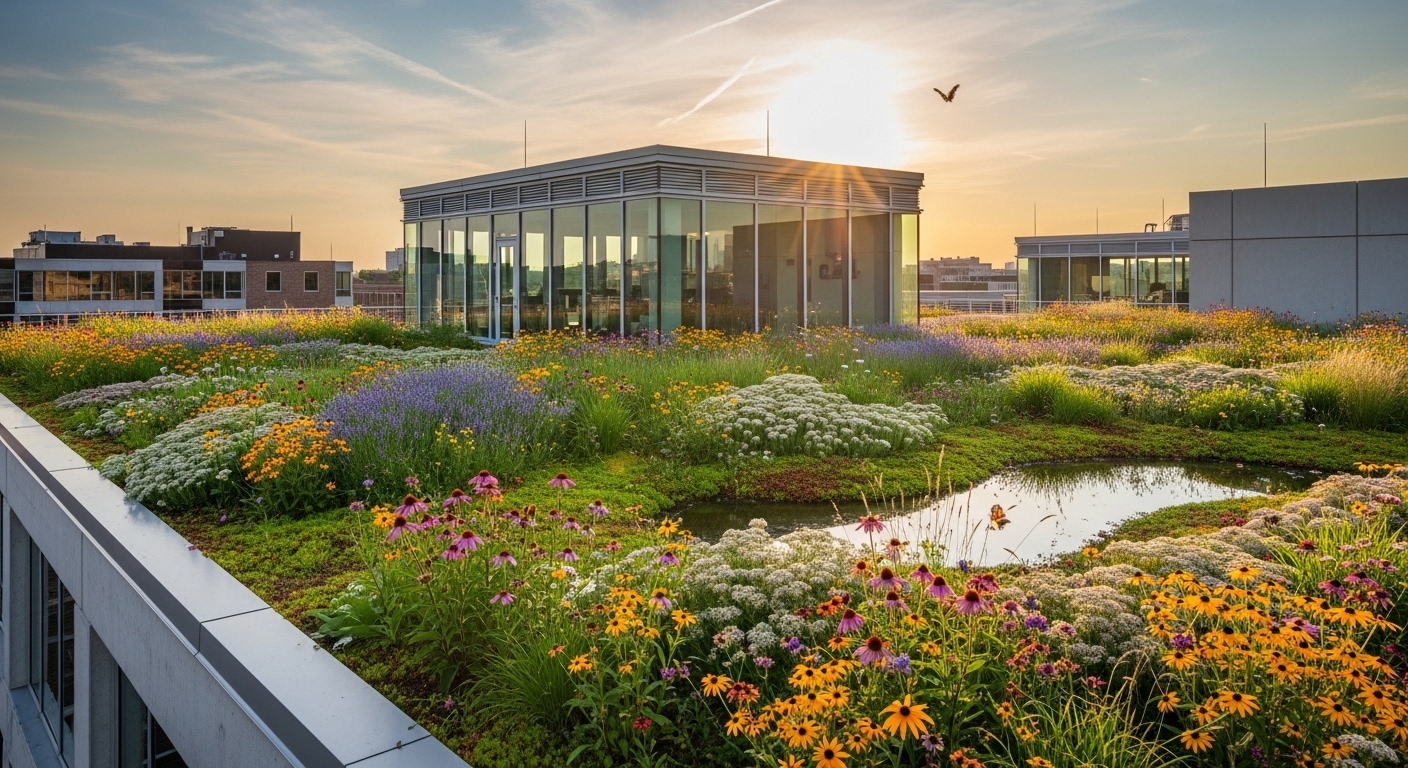
22 Eco-Friendly Home Ideas to Create a Natural Oasis
Creating an eco-friendly home isn’t just about helping the planet—it’s about crafting a healthier, more peaceful space where you can truly thrive. A natural oasis feels different the moment you step inside, with cleaner air, sustainable materials, and a genuine connection to nature. These thoughtful choices reduce your environmental footprint while creating a sanctuary that supports your wellbeing. Whether you’re starting from scratch or making gradual improvements, these 22 eco-friendly ideas will transform your home into a beautiful, sustainable retreat that benefits both you and the earth.
1. Install Energy-Efficient LED Lighting
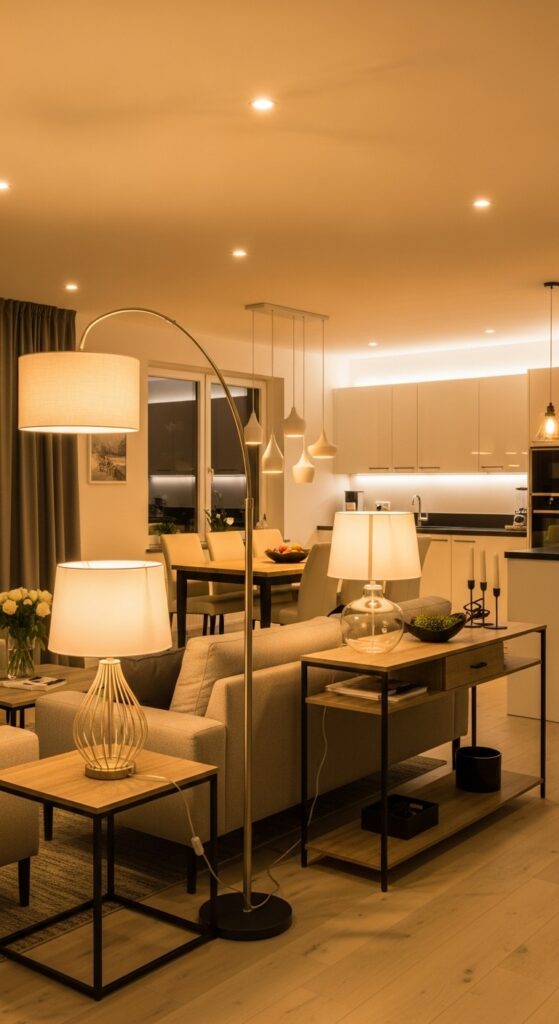
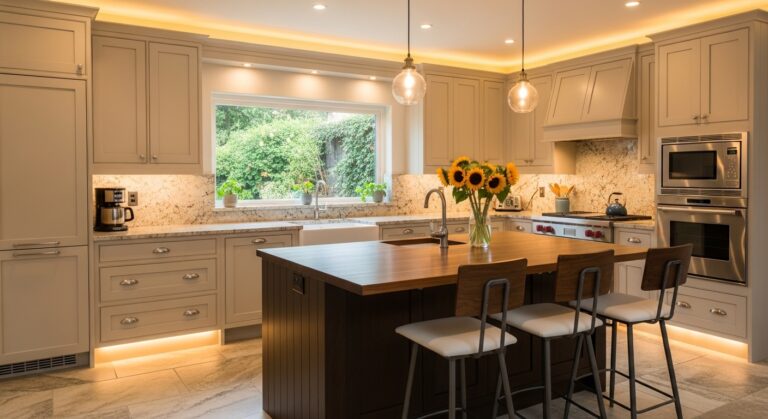
Switching to LED bulbs is one of the simplest yet most impactful eco-friendly upgrades you can make. These energy-efficient lights use up to seventy-five percent less energy than traditional incandescent bulbs while lasting twenty-five times longer. This dramatic reduction in energy consumption lowers your electricity bills significantly and reduces the frequency of bulb replacements. Modern LEDs now come in warm tones that create the same cozy ambiance as traditional bulbs without the harsh, clinical light of earlier versions.
Beyond energy savings, LEDs produce significantly less heat, making your home more comfortable during warmer months. They contain no toxic mercury like compact fluorescents, making disposal safer for the environment. Available in every style from vintage Edison bulbs to sleek recessed lighting, LEDs fit any aesthetic preference seamlessly. The upfront cost is slightly higher, but the long-term savings in energy and replacement costs make them an investment that pays for itself. This simple swap immediately reduces your environmental impact while improving your home’s efficiency.
2. Create an Indoor Herb Garden
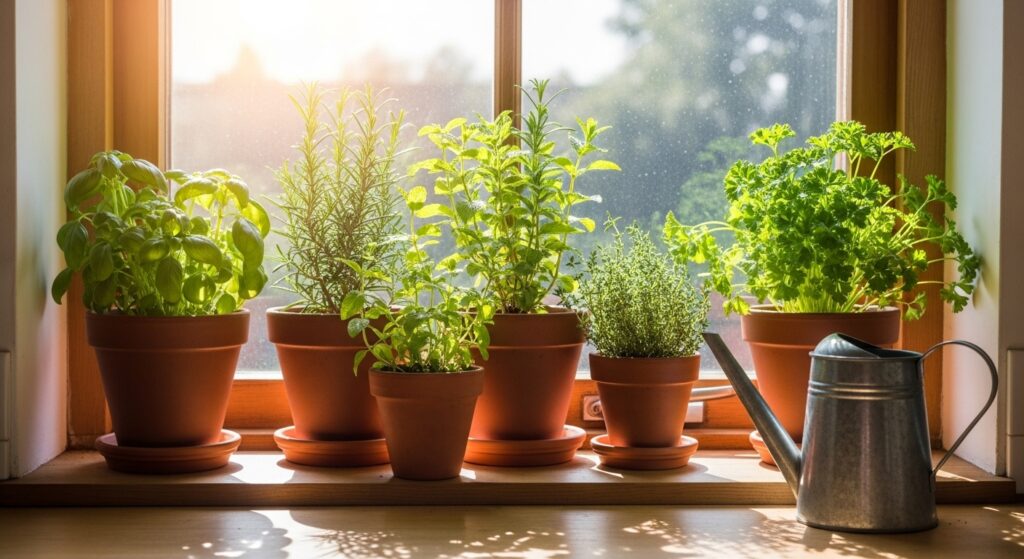
Growing herbs indoors brings fresh, organic ingredients to your fingertips while reducing packaging waste and transportation emissions. A sunny windowsill becomes your personal produce section, providing basil, rosemary, mint, thyme, and parsley without plastic packaging or long-distance shipping. The satisfaction of snipping fresh herbs for cooking connects you to your food in meaningful ways. Indoor herbs also purify your air naturally while adding beautiful greenery and wonderful aromas throughout your kitchen and home.
Starting an herb garden requires minimal investment and space, making it accessible for everyone. Terracotta pots provide natural drainage and breathable material that herbs love. Most culinary herbs thrive in sunny spots with regular watering, making them surprisingly low-maintenance. Even small apartments can accommodate a modest herb collection on a windowsill or under a grow light. This sustainable practice eliminates the frustration of buying full packages when you need just a few leaves. Fresh herbs elevate your cooking while reducing your carbon footprint deliciously.
3. Choose Sustainable Bamboo Furniture
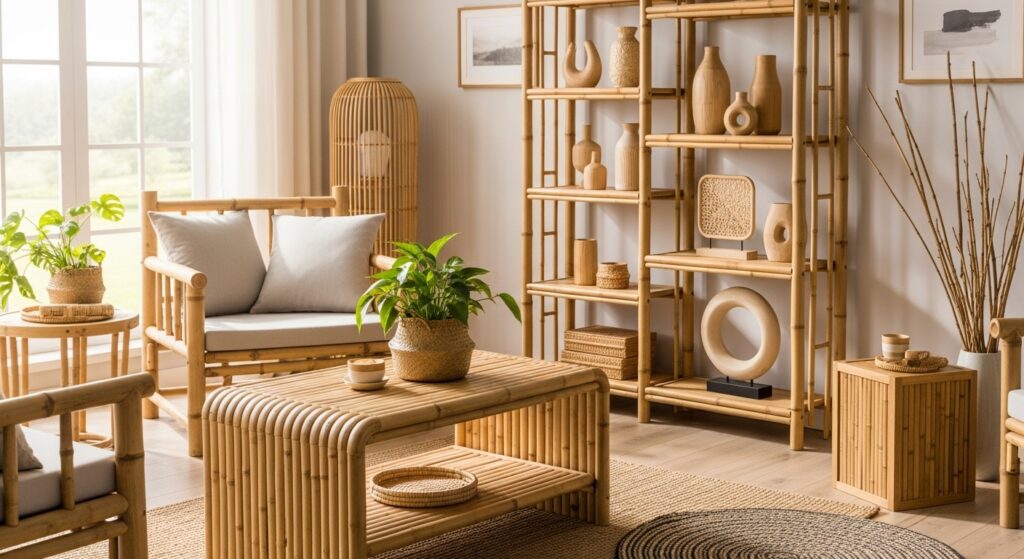
Bamboo furniture offers stunning beauty while being one of the most sustainable materials available today. This fast-growing grass reaches maturity in just three to five years compared to hardwood trees that take decades. Bamboo’s rapid growth rate makes it an infinitely renewable resource that regenerates without replanting. Despite being a grass, bamboo rivals traditional hardwoods in strength and durability. Its distinctive grain pattern and light natural color bring organic warmth to any room while maintaining modern appeal.
Bamboo furniture works beautifully in various styles from contemporary minimalist to tropical casual. It’s naturally resistant to moisture and pests, making it ideal for kitchens and bathrooms. Bamboo production requires fewer pesticides and fertilizers than conventional forestry, reducing chemical pollution significantly. The material is biodegradable at the end of its life cycle, unlike synthetic alternatives. Choosing bamboo supports sustainable forestry practices while bringing natural beauty into your home. This eco-conscious choice proves that environmental responsibility and aesthetic appeal go hand in hand perfectly.
4. Install Low-Flow Water Fixtures
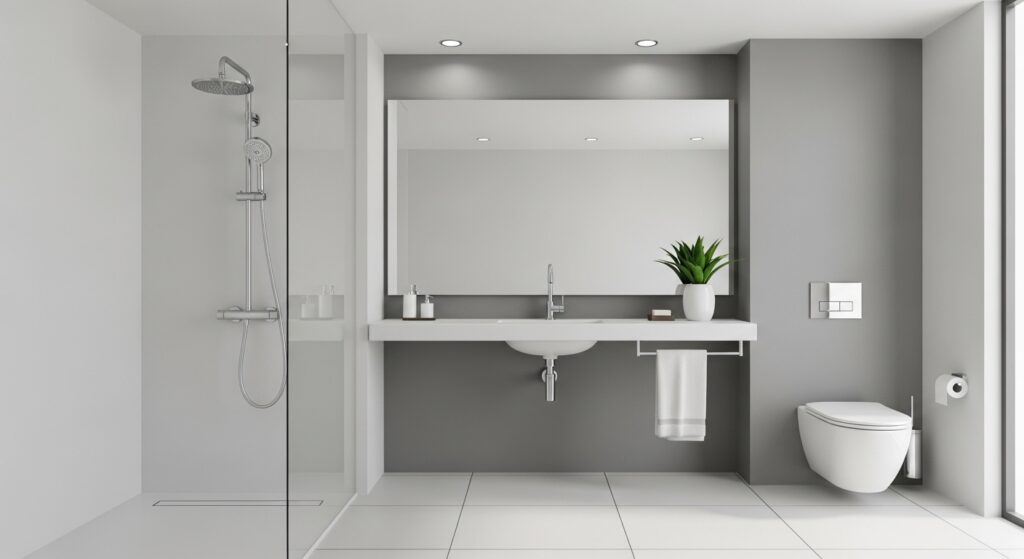
Low-flow fixtures dramatically reduce water consumption without compromising your daily comfort or convenience. Modern low-flow showerheads use innovative technology to maintain strong water pressure while using significantly less water per minute. Water-efficient faucets incorporate aerators that mix air with water, creating satisfying flow while reducing consumption by up to sixty percent. Dual-flush toilets offer different flush options for liquid and solid waste, preventing unnecessary water use. These upgrades lower your water bills substantially while conserving this precious resource.
Installation is straightforward enough for DIY enthusiasts, though professional help ensures optimal performance. The water savings add up quickly—a family of four can save thousands of gallons annually. Reduced water usage also means less energy spent heating water, creating additional environmental and financial benefits. Many municipalities offer rebates for installing water-efficient fixtures, offsetting the initial investment. Modern designs ensure these sustainable choices look beautiful and contemporary rather than utilitarian. Making this upgrade demonstrates environmental stewardship while creating immediate, measurable impact in your home.
5. Add Reclaimed Wood Accents
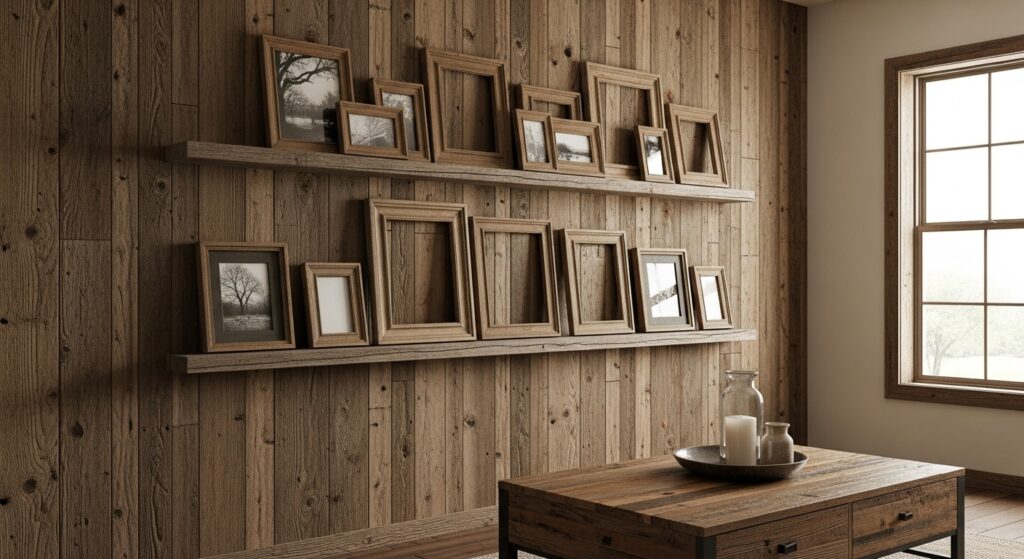
Reclaimed wood brings incredible character and sustainability to your home simultaneously. Salvaged barn wood, old fence posts, or demolition lumber get new life as accent walls, shelving, or furniture. Each piece carries unique history, weathering, and patina that new wood simply cannot replicate. Using reclaimed materials diverts waste from landfills while reducing demand for newly harvested timber. The environmental impact is significant—no new trees are cut, and embodied energy from the wood’s first use is preserved.
The aesthetic appeal of reclaimed wood lies in its authentic imperfections and story. Nail holes, saw marks, and natural aging create visual interest and conversation starters. Reclaimed wood works beautifully in modern, farmhouse, and industrial design styles. Floating shelves made from salvaged wood add functional storage with environmental conscience. A statement wall of weathered barn boards creates stunning focal points. Sourcing reclaimed wood supports circular economy principles and sustainable design. This choice proves that environmental responsibility enhances rather than limits beautiful, distinctive design.
6. Incorporate Living Walls
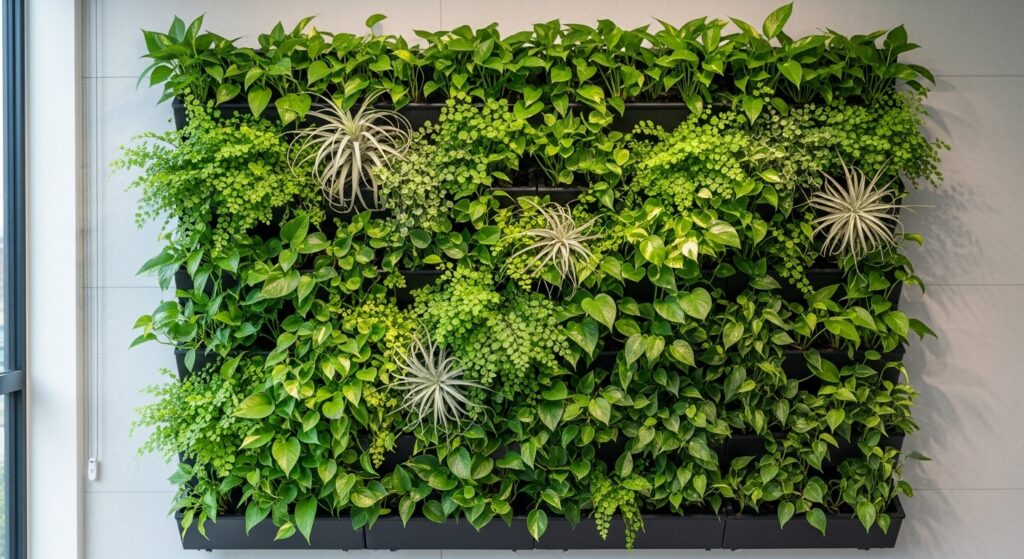
Living walls transform vertical spaces into thriving gardens that purify air while creating breathtaking visual impact. These vertical gardens pack numerous plants into small footprints, making them perfect for limited spaces. The plants actively filter toxins, produce oxygen, and regulate humidity naturally. A living wall becomes functional art that changes and grows, adding dynamic beauty to your home. The biophilic connection to living greenery reduces stress and improves mental wellbeing significantly.
Modern modular systems make creating living walls easier than ever before. Self-watering options reduce maintenance while ensuring plants receive consistent moisture. Choose plants suited to your light conditions—ferns and pothos thrive in lower light while succulents need brightness. Living walls provide natural insulation, helping regulate indoor temperatures and reducing energy costs. They also dampen sound, making spaces quieter and more peaceful. Installation can be DIY or professional depending on scale and complexity. This dramatic feature demonstrates commitment to sustainable, healthy living in the most beautiful way possible.
7. Use Natural Fiber Textiles
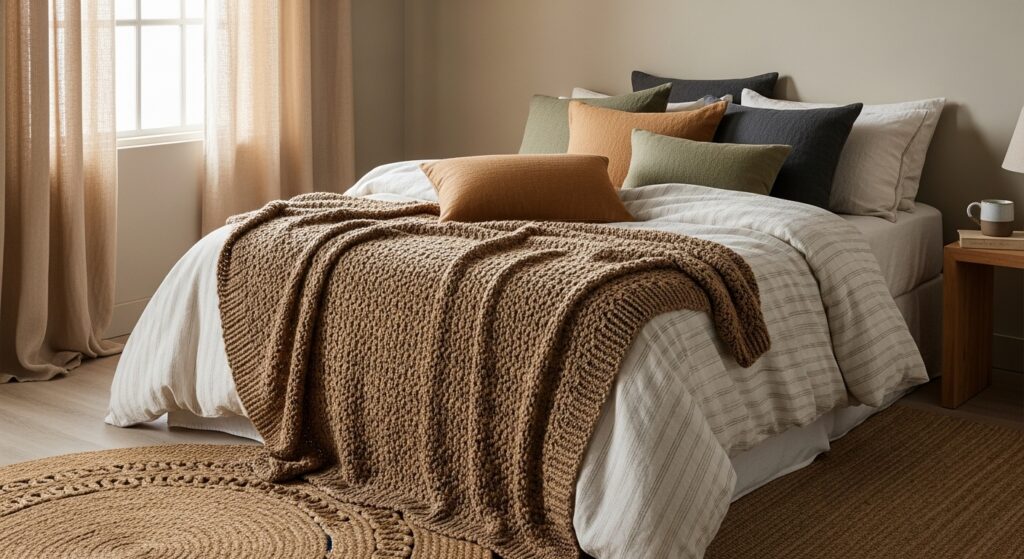
Natural fiber textiles create healthier indoor environments while supporting sustainable agriculture and production. Organic cotton bedding grown without harmful pesticides feels incredibly soft while protecting farmworkers and ecosystems. Linen curtains made from flax plants require minimal water and pesticides, making them environmentally superior choices. Jute area rugs bring organic texture underfoot while being completely biodegradable. Wool throw blankets offer natural temperature regulation and durability that synthetic fabrics cannot match. Hemp decorative pillows showcase a renewable fiber that grows quickly with minimal environmental impact.
These natural materials breathe better than synthetics, creating more comfortable sleeping and living environments. They don’t off-gas harmful chemicals like many synthetic fabrics treated with flame retardants and stain protectors. Natural fibers are biodegradable, returning to earth rather than filling landfills for centuries. The neutral earth tones of undyed natural fibers create calming, organic palettes. These materials often last longer than synthetic alternatives, reducing replacement frequency and waste. Choosing natural fiber textiles creates tangible connections to the earth while supporting sustainable farming practices and healthier homes.
8. Install Solar Panels
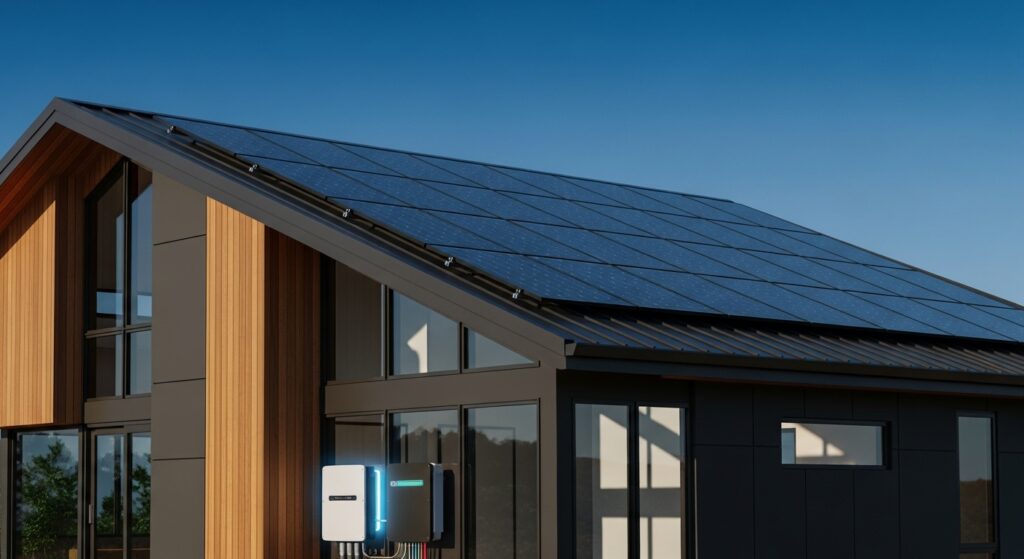
Solar panels represent one of the most significant eco-friendly investments homeowners can make. These systems generate clean, renewable electricity directly from sunlight, dramatically reducing dependence on fossil fuels. The environmental impact is substantial—solar power produces zero emissions during operation. Modern panels are more efficient and affordable than ever, with many regions offering tax incentives and rebates. Over time, solar systems often pay for themselves through reduced electricity bills and may even generate income through net metering programs.
Installation transforms your roof into an energy-producing asset that works silently every sunny day. Battery storage options allow you to bank excess energy for nighttime use or outages. Solar panels increase property values while demonstrating environmental commitment. They require minimal maintenance beyond occasional cleaning and typically last twenty-five years or more. The technology continues improving, making solar increasingly practical for more homes. While the upfront investment is significant, financing options make solar accessible to many homeowners. This upgrade represents the ultimate commitment to sustainable living and energy independence.
9. Create a Composting System
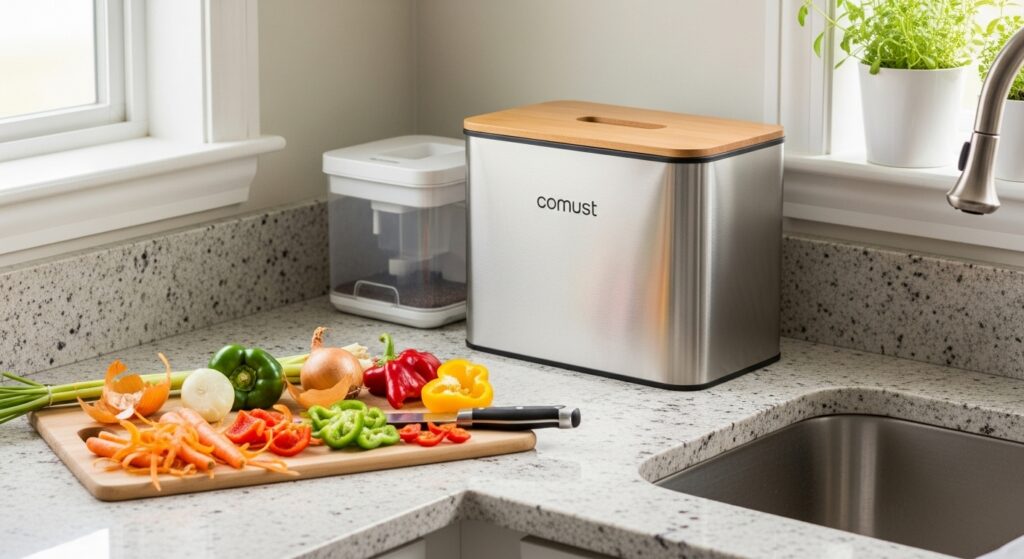
Composting transforms kitchen waste into valuable soil amendment while dramatically reducing landfill contributions. A simple countertop compost bin collects vegetable scraps, coffee grounds, and fruit peels until ready for outdoor composting. Modern indoor composting systems break down organic matter quickly without odors, perfect for apartments without outdoor space. This practice diverts significant waste from landfills where organic matter produces methane, a potent greenhouse gas. Instead, you create nutrient-rich compost that feeds gardens and houseplants naturally.
The environmental benefits extend beyond waste reduction to improved soil health and reduced fertilizer needs. Starting is simple—many communities offer composting workshops and discounted bins. Even small-scale composting makes meaningful impact when practiced consistently. The resulting compost improves soil structure, retains moisture, and supports beneficial microorganisms. Many people find composting changes their relationship with waste, increasing awareness of consumption patterns. Indoor worm composting offers another compact option that produces excellent fertilizer. This sustainable practice closes the loop, returning nutrients to soil rather than wasting them in landfills.
10. Choose Non-Toxic Paint
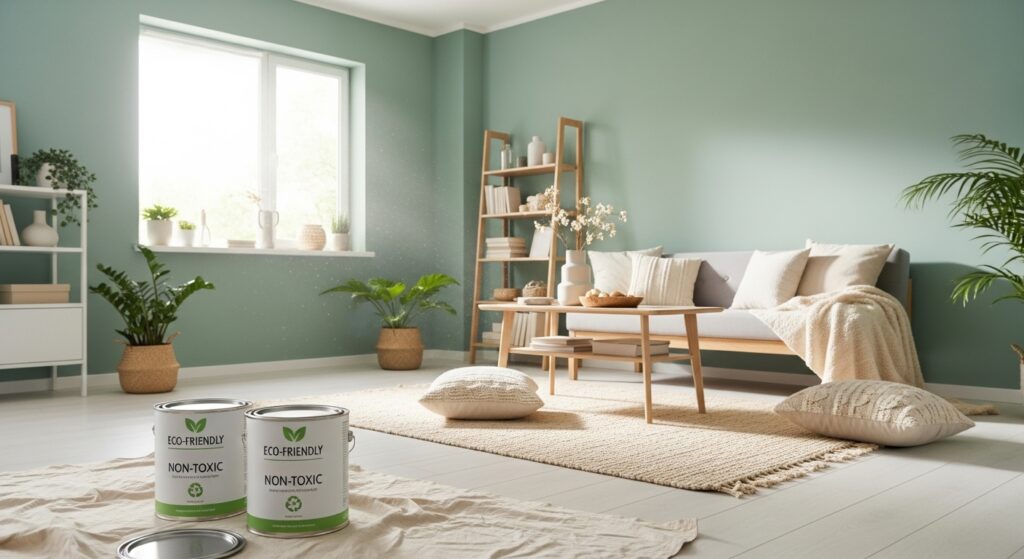
Traditional paints release volatile organic compounds that pollute indoor air for months after application. Low-VOC and zero-VOC paints provide beautiful color without harmful off-gassing that affects health. These eco-friendly options use water-based formulas free from toxic chemicals found in conventional paints. The difference in indoor air quality is immediately noticeable—no harsh chemical smell or headaches. Modern eco-paints come in every color imaginable and perform just as well as traditional options.
Natural and plant-based paints take sustainability further using ingredients like clay, minerals, and plant oils. These options are completely biodegradable and safe for children’s rooms and nurseries. The upfront cost may be slightly higher, but the health benefits are invaluable. Improved indoor air quality particularly benefits people with allergies, asthma, or chemical sensitivities. Many eco-friendly paint brands also use recycled packaging and sustainable manufacturing practices. Choosing non-toxic paint demonstrates care for your family’s health and the environment. This simple swap creates safer spaces while reducing your home’s toxic load significantly.
11. Install Smart Thermostats
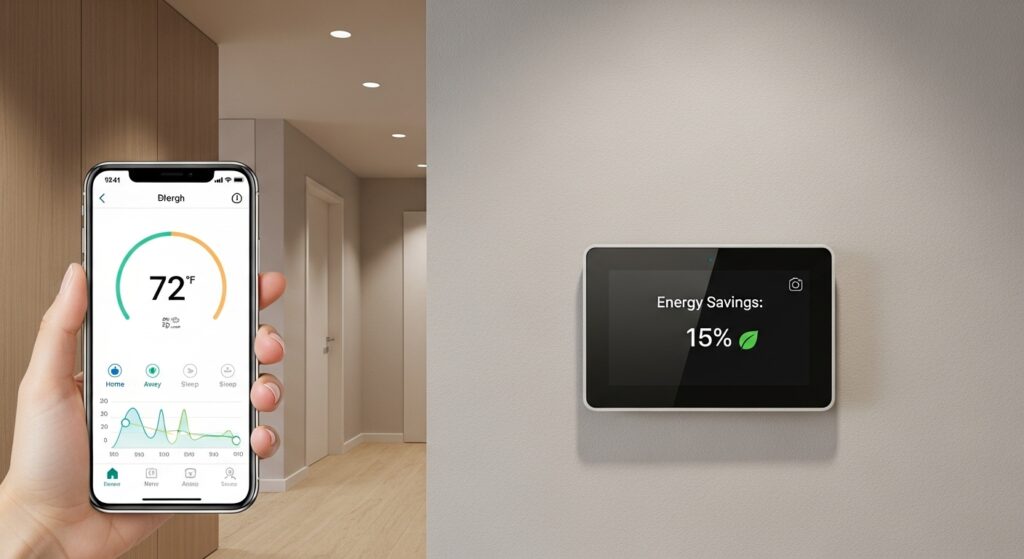
Smart thermostats optimize energy usage by learning your schedule and preferences automatically. These devices adjust temperature based on occupancy, weather conditions, and your habits, eliminating energy waste from heating or cooling empty homes. Remote control via smartphone means you can adjust settings from anywhere, preventing forgotten adjustments. Detailed energy reports show exactly how much you’re saving and identify opportunities for improvement. The environmental impact comes from reduced energy consumption and smaller carbon footprints.
Installation typically takes less than an hour and many utility companies offer rebates offsetting costs. Smart thermostats work with most existing HVAC systems, making upgrades straightforward. The devices can reduce heating and cooling costs by ten to twenty-three percent according to studies. They also extend HVAC system life by preventing unnecessary operation and strain. Many models integrate with other smart home devices for comprehensive energy management. This technology makes sustainable choices automatic rather than requiring constant conscious effort. Smart thermostats prove that convenience and environmental responsibility complement each other perfectly.
12. Add Natural Cork Flooring
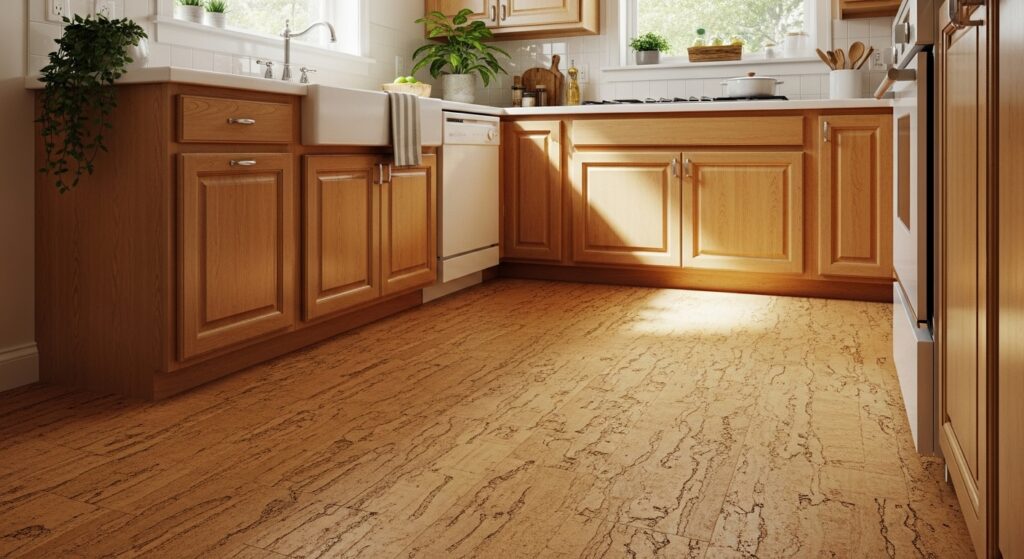
Cork flooring offers remarkable sustainability because it’s harvested without harming trees. Cork comes from the bark of cork oak trees, which regenerates after harvesting every nine years. The trees continue living and absorbing carbon dioxide for their entire two-hundred-year lifespan. Cork’s natural properties include antimicrobial characteristics, natural resistance to mold and mildew, and excellent insulation. The material feels warm and cushioned underfoot, making it comfortable for standing and gentle on joints.
Cork flooring comes in various colors and patterns, from natural honey tones to rich browns. Its unique cellular structure provides natural sound absorption, making rooms quieter and more peaceful. Cork is biodegradable at end of life, completely breaking down naturally. The material works beautifully in kitchens, bathrooms, and living areas. Modern finishes protect cork from moisture and wear while maintaining its natural beauty. Installation can be floating or glued, with options for DIY or professional work. This renewable flooring choice combines environmental benefits with distinctive beauty and superior comfort.
13. Utilize Rainwater Harvesting
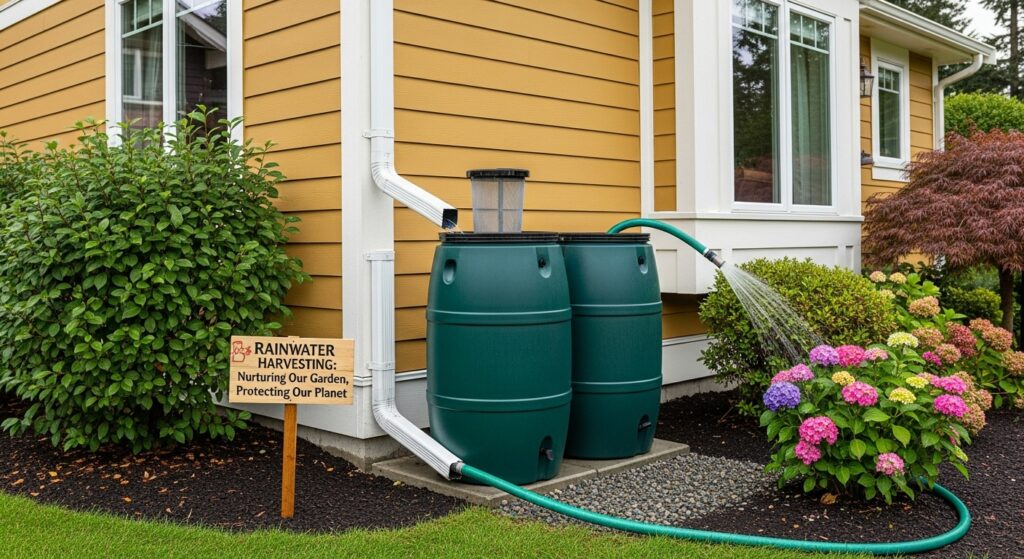
Rainwater harvesting captures free water falling on your roof for landscape irrigation and other uses. Simple rain barrels collect runoff from downspouts, providing water during dry periods. This practice reduces demand on municipal water systems and lowers water bills significantly. Rainwater is naturally soft, free from chlorine and minerals, making it ideal for plants. Capturing stormwater also reduces runoff that can cause erosion and carry pollutants into waterways.
Modern rain barrel systems include filters, overflow mechanisms, and spigots for easy access. Larger cistern systems can store hundreds or thousands of gallons for substantial water independence. Some systems integrate with drip irrigation for automatic garden watering. Installation ranges from simple DIY barrel placement to professional whole-home systems. Many municipalities offer rain barrel programs with discounted or free barrels. Using harvested rainwater during summer months conserves potable water for drinking and cooking. This sustainable practice makes environmental and financial sense while reducing your ecological footprint meaningfully.
14. Choose Energy-Star Appliances
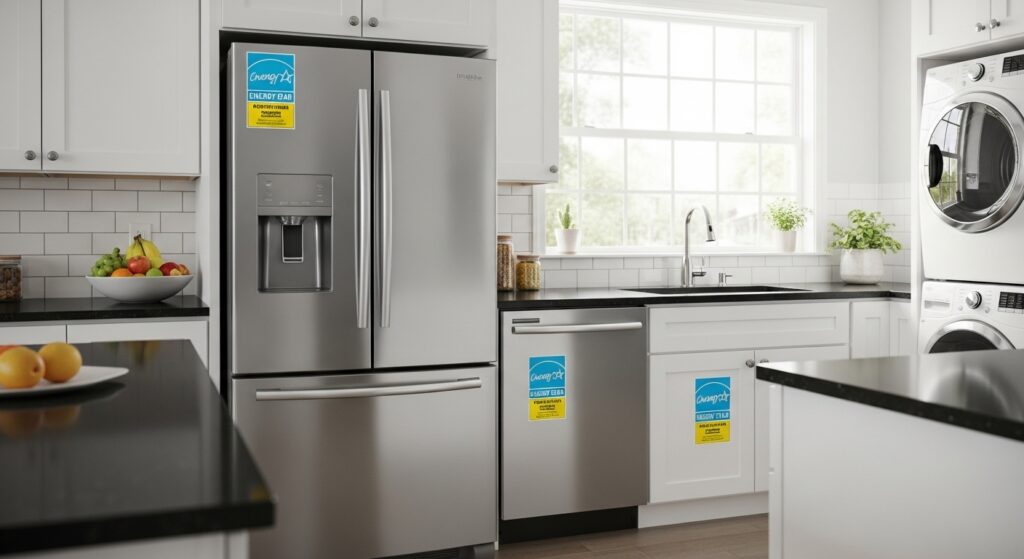
Energy Star appliances use significantly less energy and water than standard models while performing equally well. These certified products meet strict efficiency guidelines set by environmental agencies. A new Energy Star refrigerator uses about fifteen percent less energy than non-certified models. Dishwashers and washing machines save both water and electricity, creating double environmental benefits. Over their lifetime, efficient appliances save substantial money on utility bills while reducing carbon emissions.
When replacing old appliances, choosing Energy Star models makes environmental and economic sense. Modern technology has made these appliances quieter, more effective, and longer-lasting. The energy savings compound over years of use, offsetting higher upfront costs. Many utilities offer rebates specifically for purchasing efficient appliances. These products often include smart features that further optimize resource use. Efficient appliances also reduce strain on electrical grids, benefiting entire communities. This upgrade demonstrates that sustainable choices don’t require sacrificing performance or convenience.
15. Install Skylights for Natural Light
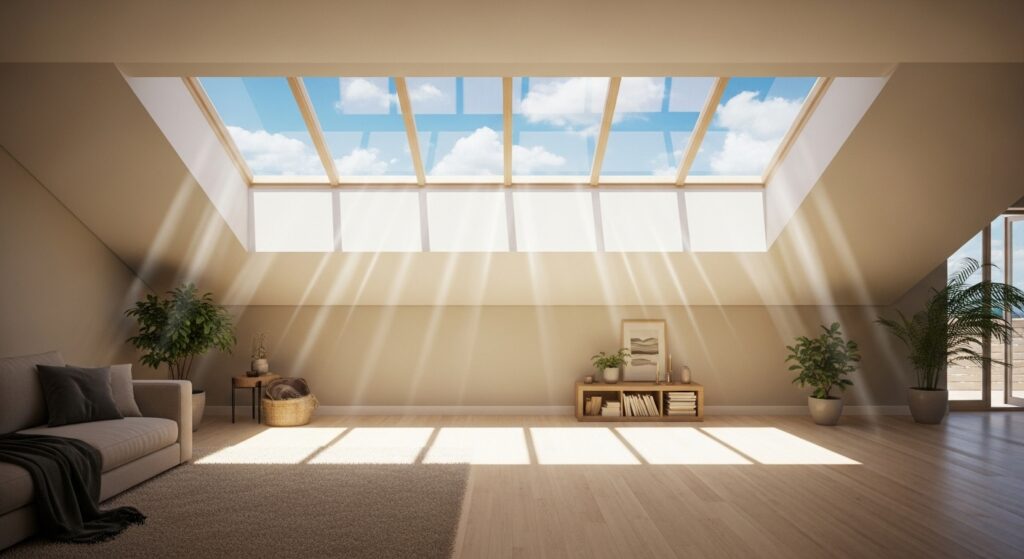
Skylights flood interiors with natural light, reducing daytime dependence on artificial lighting dramatically. This free illumination creates bright, cheerful spaces while lowering electricity consumption. Natural light improves mood, productivity, and wellbeing in measurable ways. Modern skylights feature energy-efficient glazing that provides light without excessive heat gain or loss. Strategic placement maximizes illumination while minimizing solar heat during summer months.
Tubular skylights bring natural light to interior rooms without traditional windows or large roof openings. These compact options work well in hallways, bathrooms, and closets. Proper installation prevents leaks and ensures weather-tight performance for decades. Some skylights include motorized shades or vents for temperature and light control. The environmental benefit comes from reduced lighting energy needs and improved passive solar heating in winter. Natural light also makes colors appear more accurate and spaces feel larger. This upgrade enhances both sustainability and quality of life significantly.
16. Create a Green Roof
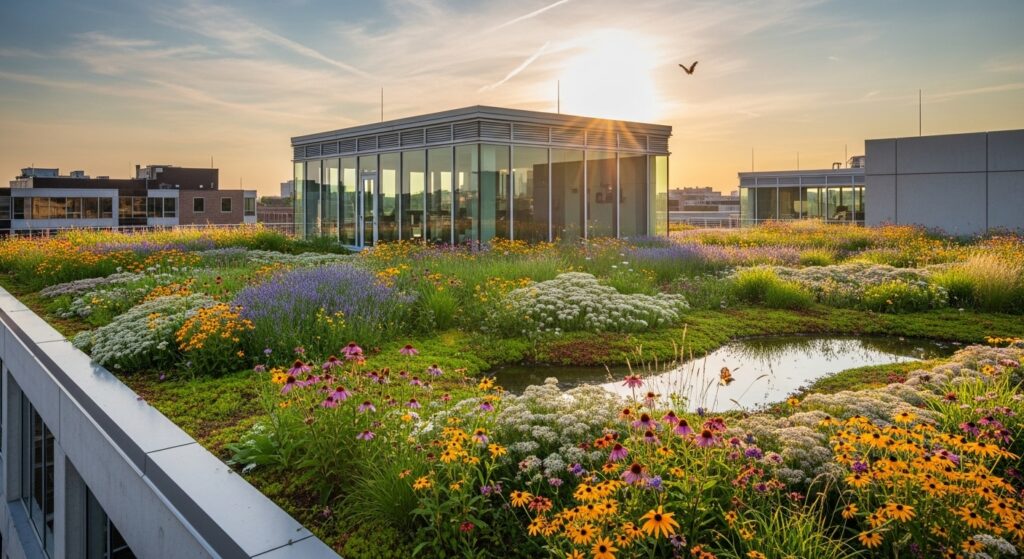
Green roofs transform unused rooftop space into living ecosystems with multiple environmental benefits. The vegetation layer provides natural insulation, reducing heating and cooling costs significantly. Plants absorb rainwater, reducing stormwater runoff that overwhelms urban drainage systems. Green roofs filter air pollutants, produce oxygen, and reduce urban heat island effects. They create habitat for birds, butterflies, and beneficial insects even in dense urban environments.
Extensive green roofs with shallow-rooted sedums require minimal maintenance and structural support. Intensive systems with deeper soil support diverse plants but need stronger structures. Both types extend roof membrane life by protecting it from UV damage and temperature extremes. The environmental impact includes carbon sequestration and improved biodiversity in built environments. Green roofs also create beautiful spaces for relaxation and urban agriculture. Professional installation ensures proper waterproofing and drainage. This innovative approach reimagines roofs as productive, living spaces rather than wasted real estate.
17. Use Sustainable Window Treatments
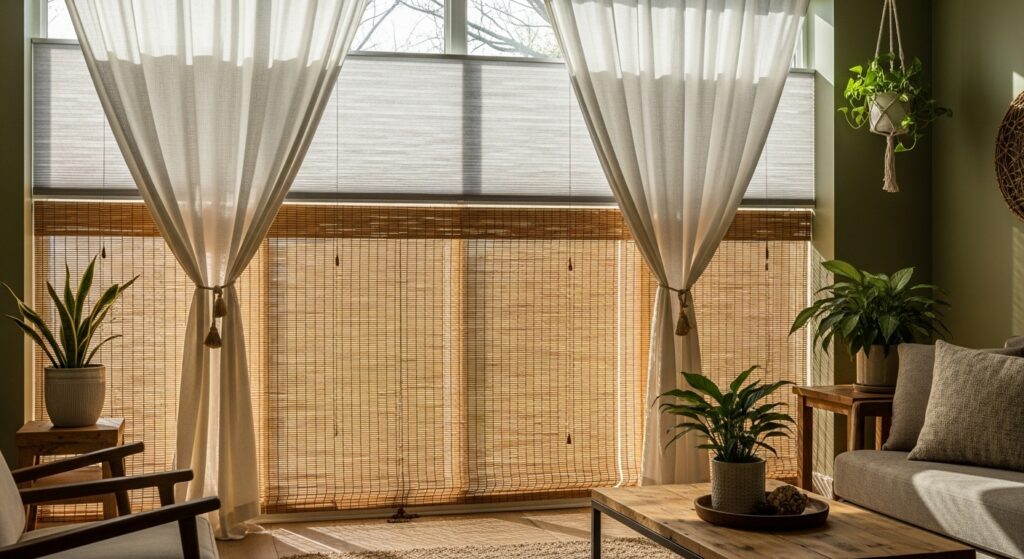
Sustainable window treatments provide insulation, light control, and beauty using eco-friendly materials. Bamboo roller shades offer renewable material with natural texture and clean aesthetics. Organic cotton curtains provide softness without pesticide-intensive conventional cotton. Cellular honeycomb shades trap air in pockets, creating insulation that reduces heating and cooling costs. These natural materials avoid the off-gassing associated with synthetic window coverings treated with chemicals.
Proper window treatments significantly impact energy efficiency by preventing heat loss in winter and gain in summer. Natural materials are biodegradable and often recyclable at end of life. Many sustainable options use non-toxic dyes or remain undyed, reducing chemical exposure. Automated shades programmed to adjust with sun position maximize energy savings. Choosing sustainable window treatments supports environmentally responsible manufacturing while creating healthier indoor environments. These functional design elements prove that every decision offers opportunities to reduce environmental impact.
18. Install Ceiling Fans
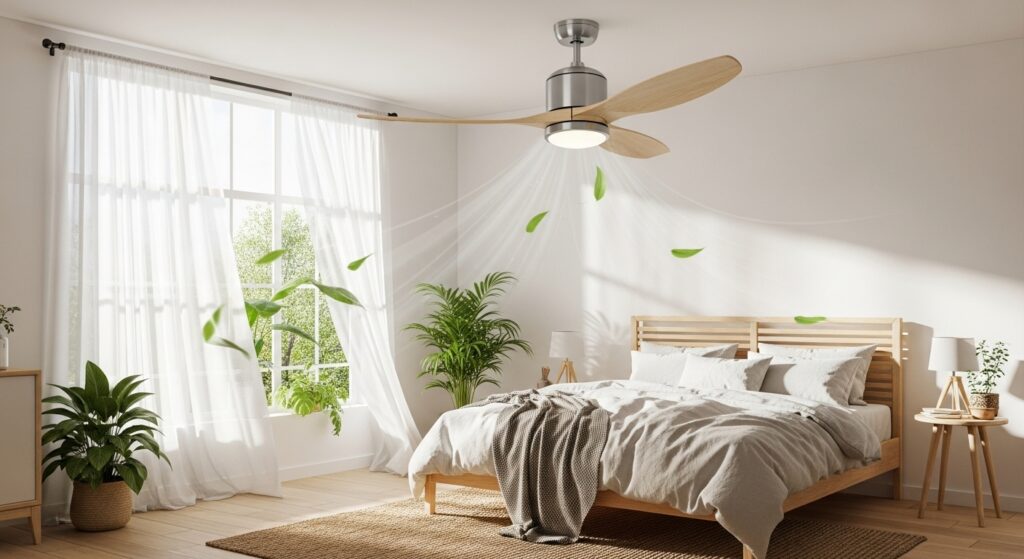
Ceiling fans significantly reduce air conditioning needs through simple air circulation. Moving air makes rooms feel several degrees cooler without changing actual temperature. This allows higher thermostat settings in summer, dramatically reducing cooling energy consumption. Modern energy-efficient fans with DC motors use minimal electricity while providing maximum airflow. Ceiling fans also improve comfort in winter by distributing warm air that rises, improving heating efficiency year-round.
Strategic fan placement in bedrooms, living rooms, and outdoor spaces extends their benefit throughout your home. Many models include integrated lighting, replacing separate fixtures with multifunctional efficiency. Proper sizing ensures optimal performance—larger rooms need bigger fans. Installation is straightforward for those with basic electrical skills or easily handled professionally. The environmental benefit comes from reduced fossil fuel consumption for cooling and heating. Ceiling fans represent low-tech, highly effective sustainable design that never goes out of style.
19. Choose Recycled Glass Countertops
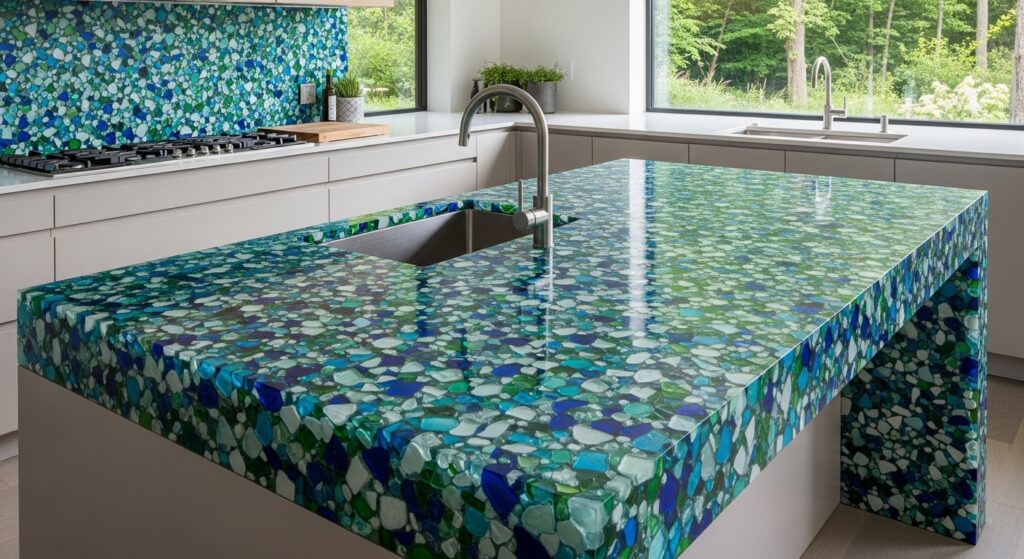
Recycled glass countertops transform waste materials into stunning functional surfaces. Crushed glass from bottles and other sources gets embedded in concrete or resin binders. The result is durable, heat-resistant countertops with unique appearance and environmental benefits. Each countertop diverts significant glass waste from landfills while creating distinctive color and sparkle. No two sections look identical, ensuring your countertops are truly one-of-a-kind works of art.
These surfaces resist stains, scratches, and heat while being non-porous and antimicrobial. They work beautifully in kitchens, bathrooms, and outdoor applications. The glass content ranges from seventy to one hundred percent, maximizing recycled content. Modern sealers protect surfaces while maintaining the material’s inherent beauty and durability. Recycled glass countertops cost comparably to granite or quartz while offering superior sustainability. Installation requires professional expertise but results last for decades. This choice proves that environmental responsibility creates beauty and functionality without compromise.
20. Add Indoor Air-Purifying Plants
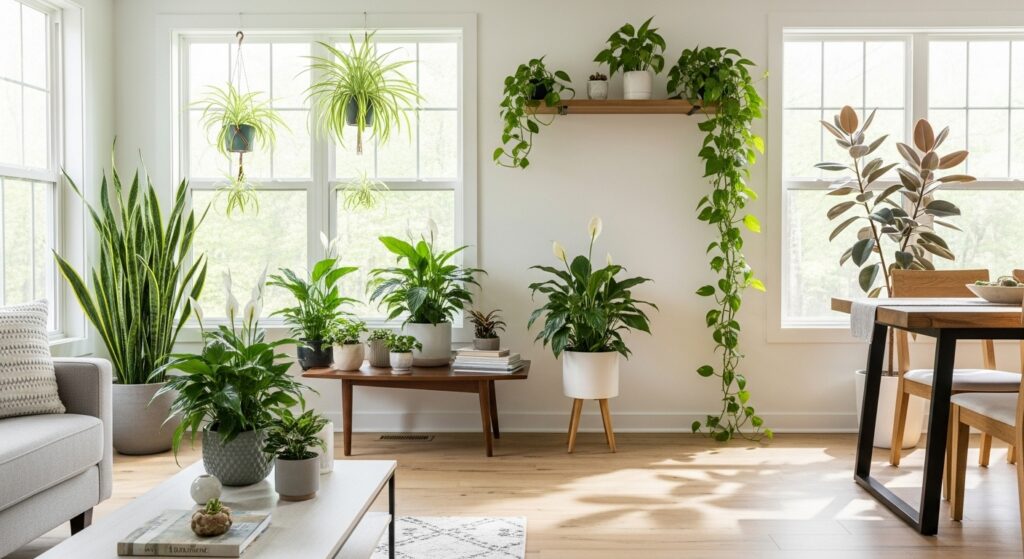
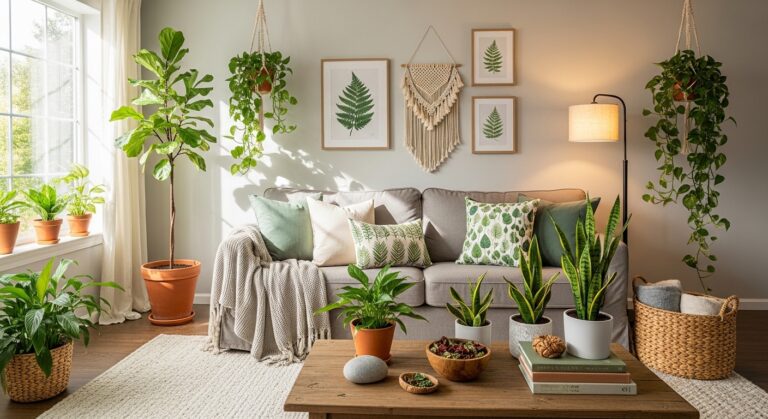
Certain houseplants actively remove toxins from indoor air while producing oxygen continuously. Snake plants filter formaldehyde and benzene while requiring minimal care and tolerating low light. Spider plants remove carbon monoxide and xylene effectively while producing oxygen even at night. Peace lilies filter ammonia, formaldehyde, and trichloroethylene while adding elegant white blooms. Pothos removes formaldehyde and purifies air while thriving with minimal attention. Rubber plants tackle formaldehyde while adding dramatic foliage and height.
Strategic plant placement throughout your home creates a natural air purification system. Multiple plants amplify benefits, with studies suggesting one plant per hundred square feet. These living filters work continuously without energy consumption or replacement filters. Plants also regulate humidity naturally, improving comfort and respiratory health. The biophilic benefits include reduced stress, improved concentration, and enhanced wellbeing. Even beginners can succeed with these forgiving, hardy varieties. This natural approach to air quality proves that the best solutions often come from nature itself.
21. Use Salvaged or Vintage Furniture
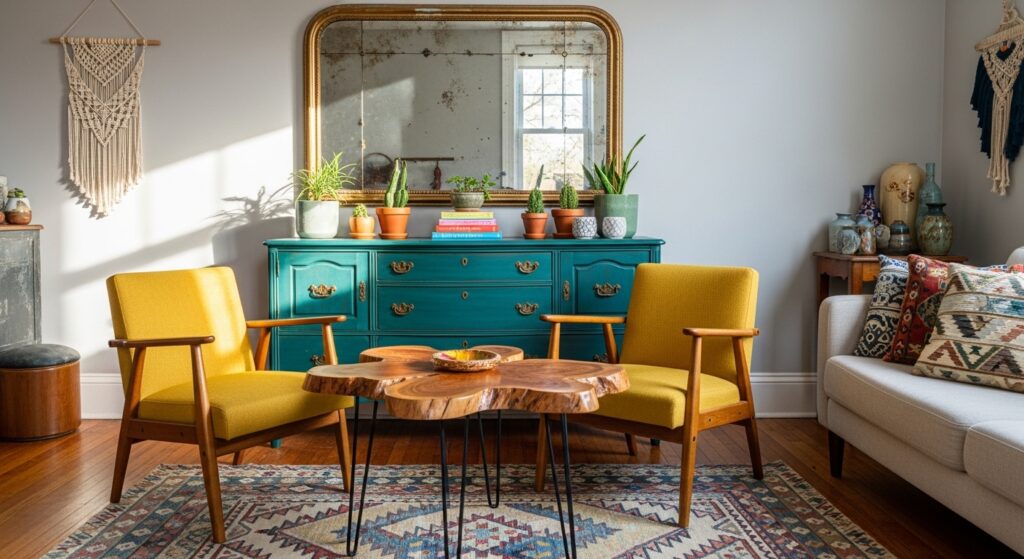
Choosing salvaged or vintage furniture prevents perfectly good pieces from entering landfills unnecessarily. Older furniture often features superior construction and solid wood unavailable in modern mass-produced pieces. Refinishing or reupholstering breathes new life into quality items for a fraction of new furniture costs. Each vintage piece carries unique history and character that creates distinctive, personalized spaces. Buying secondhand dramatically reduces the environmental impact associated with new furniture manufacturing and transportation.
Thrift stores, estate sales, and online marketplaces offer endless treasures waiting for new homes. Mixing vintage finds with contemporary pieces creates eclectic, collected looks with personality. Many older pieces are smaller in scale, working beautifully in modern homes with limited space. Simple updates like new hardware or fresh paint transform dated pieces into custom showstoppers. This approach supports circular economy principles and sustainable consumption patterns. Vintage furniture proves that the most sustainable product is often the one already made.
22. Install Greywater Systems
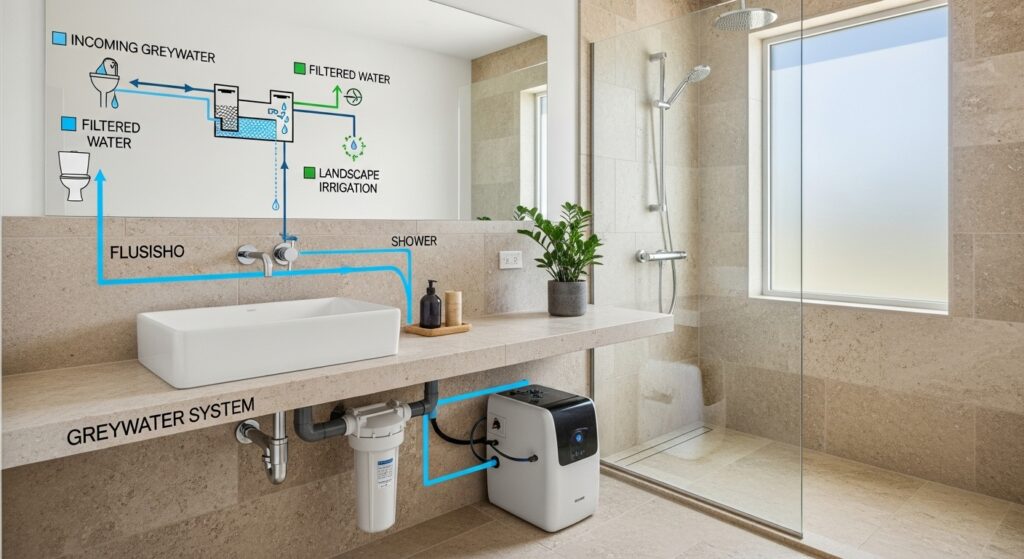
Greywater systems capture water from sinks, showers, and washing machines for reuse in irrigation or toilet flushing. This practice dramatically reduces freshwater consumption and wastewater production simultaneously. Simple systems divert laundry water directly to landscaping, while complex installations treat and store greywater for multiple uses. Using greywater for irrigation provides plants with nutrients from soap and organic matter. This closed-loop approach makes every drop count, embodying sustainable water management principles.
Modern greywater systems include filtration and treatment ensuring safe, effective reuse. Installation ranges from simple DIY diversion systems to professionally designed whole-home networks. Local regulations vary, so research requirements before implementing systems. The environmental benefits include reduced strain on water treatment facilities and aquifer protection. Greywater irrigation maintains landscapes during droughts when restrictions prohibit freshwater use. This advanced sustainable practice represents the future of residential water management and conservation.
Conclusion
Creating an eco-friendly natural oasis transforms your home into a healthier space while making a real difference for the planet. These 22 ideas demonstrate that sustainable living encompasses everything from major investments like solar panels to simple changes like adding houseplants. The beauty of eco-friendly design is that you can start wherever makes sense for your situation and budget, gradually building toward a more sustainable home over time.
Every green choice you make creates ripple effects—reduced energy consumption, less waste, healthier indoor air, and a smaller carbon footprint. The most successful eco-friendly homes combine multiple strategies, creating cumulative benefits greater than individual changes alone. Remember that perfection isn’t the goal; progress is what matters. Each sustainable swap, no matter how small, contributes to a healthier home and planet. By implementing even a few of these ideas, you’re creating a natural oasis that supports your wellbeing while honoring your environmental values—a true sanctuary in every sense of the word.