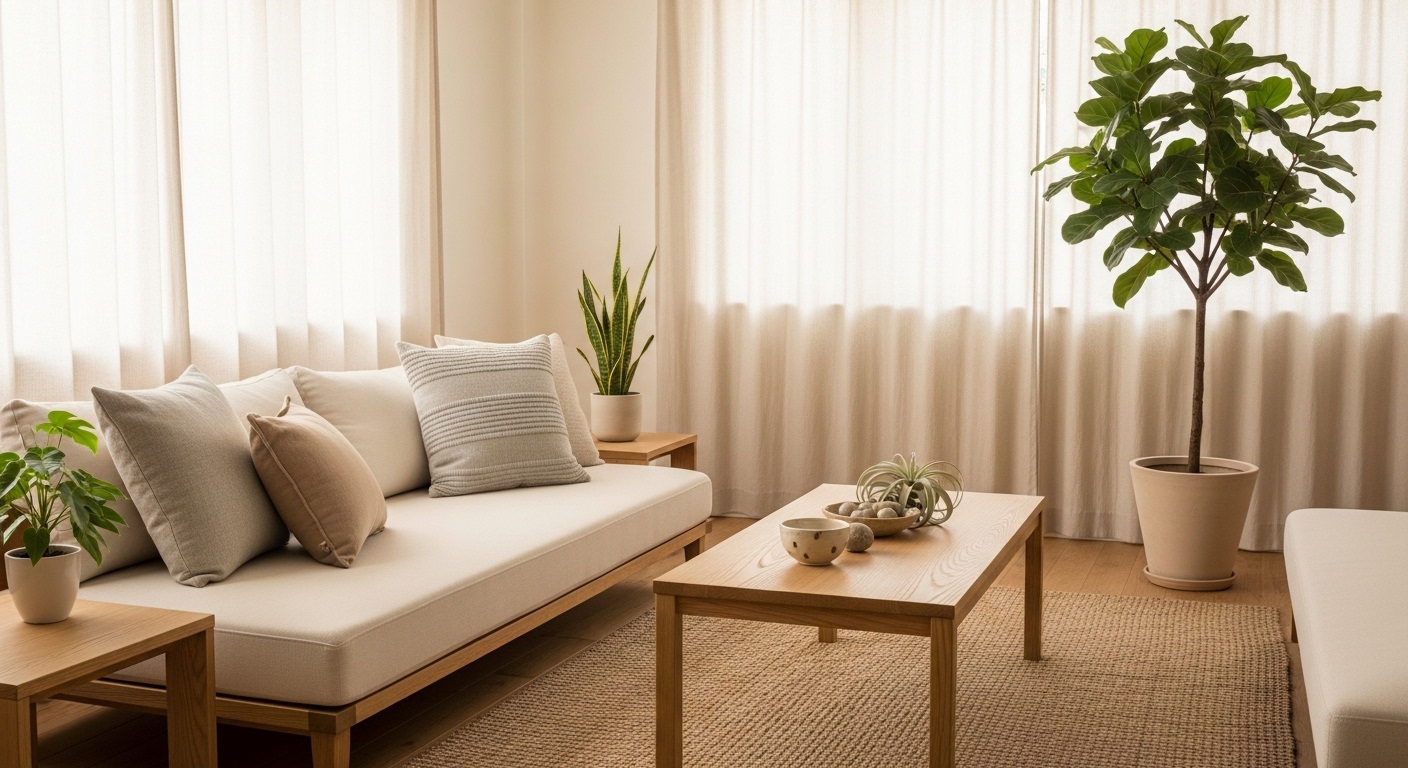
22 Effortless Japandi Interior Design Secrets Guide
Japandi interior design seamlessly blends Japanese minimalism with Scandinavian functionality, creating spaces that feel both serene and livable. This harmonious fusion emphasizes natural materials, neutral color palettes, and thoughtful simplicity that promotes calm in our increasingly chaotic world. Unlike stark minimalism that can feel cold, Japandi embraces warmth through organic textures and carefully curated pieces that serve both practical and aesthetic purposes. The style has captured global attention because it addresses modern desires for uncluttered spaces without sacrificing comfort or personality.
Mastering Japandi design doesn’t require complete home renovations or expensive purchases. The beauty of this approach lies in its emphasis on intentionality over abundance, quality over quantity, and timelessness over trends. These twenty-two secrets reveal how to achieve authentic Japandi aesthetics through thoughtful choices about color, furniture, materials, and spatial arrangement. Whether you’re starting fresh in a new space or gradually transforming your current home, these accessible principles will guide you toward creating environments that nurture peace, functionality, and understated beauty. Discover how simplicity becomes effortless when guided by purpose and enhanced by natural elegance.
Embrace the Wabi-Sabi Philosophy

Wabi-sabi, the Japanese concept of finding beauty in imperfection, forms the philosophical foundation of Japandi design. This principle encourages you to appreciate natural aging, organic irregularities, and handcrafted uniqueness rather than pursuing sterile perfection. Select furniture and decor that showcase wood grain variations, embrace pieces with slight asymmetry, and display handmade ceramics that celebrate the maker’s touch. These authentic imperfections add character and warmth that mass-produced perfection cannot replicate, creating spaces that feel lived-in and genuine.
Incorporating wabi-sabi means resisting the urge to replace items showing gentle wear or patina. That wooden table developing character marks, the linen throw with natural slubs, or the hand-thrown pottery with glaze variations all embody this philosophy beautifully. These elements tell stories and connect your space to human craft and natural processes. When shopping, choose items with visible texture, natural materials that will age gracefully, and handmade pieces over manufactured uniformity. This mindset shift transforms how you curate your home, helping you appreciate authenticity over showroom polish and find peace in life’s natural imperfections.
Master the Neutral Color Foundation
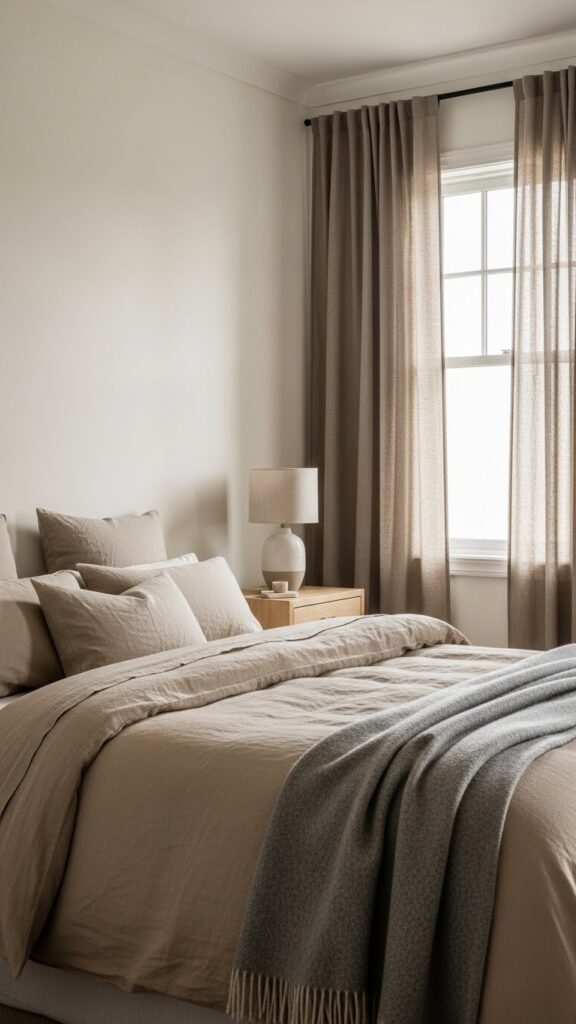
Japandi interiors build upon sophisticated neutral foundations that create calm canvases for living. The palette centers on warm whites, soft beiges, gentle grays, and earthy taupes that feel soothing rather than stark. These colors reflect natural materials like undyed linen, raw wood, and stone, creating organic harmony throughout your space. Avoid pure white or cool grays that can feel clinical—instead, choose warm-toned neutrals with subtle beige or cream undertones. Layer different neutral shades to create depth and prevent flatness, using texture to add visual interest within the restrained color story.
The neutral foundation doesn’t mean boring or monotonous spaces. Create richness by varying tones within your neutral palette—pair warm oatmeal with cooler greige, combine cream with soft mushroom, or layer multiple beiges from light to medium. Introduce subtle contrast through natural wood tones ranging from pale ash to deeper walnut. The layered neutral approach provides versatile backdrops that calm the mind while allowing natural materials and sculptural forms to shine. This restrained palette also makes spaces feel larger and brighter while creating timeless environments that won’t feel dated as trends shift.
Prioritize Natural Materials
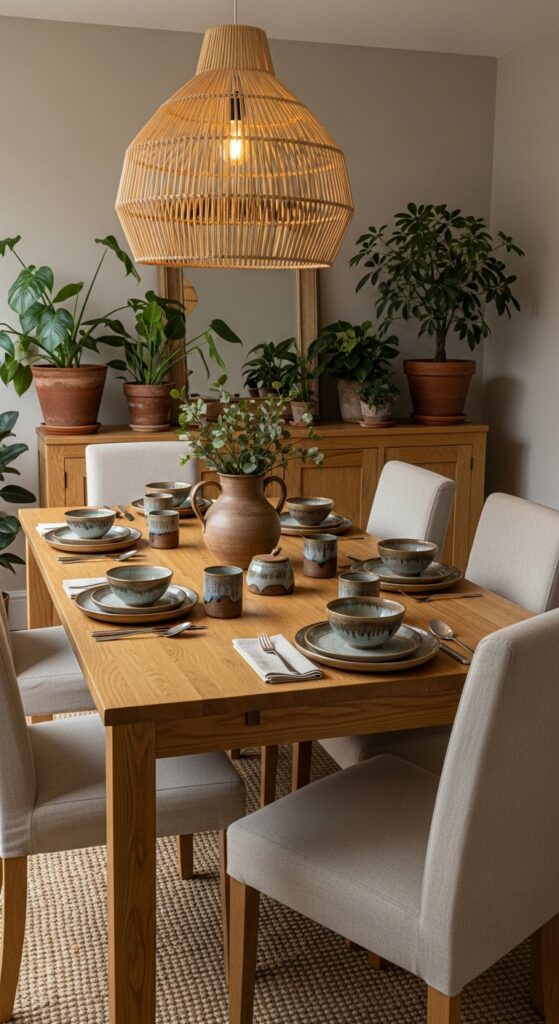
Natural materials form the heart of Japandi aesthetics, connecting interiors to the organic world. Emphasize wood, stone, linen, cotton, wool, rattan, bamboo, and ceramics throughout your space. These materials bring inherent beauty, pleasant tactile qualities, and sustainable credentials that align with Japandi values. Choose solid wood furniture over veneers, natural fiber textiles over synthetics, and stone or ceramic surfaces over plastics. The variety of natural materials prevents monotony while maintaining cohesive organic character. Each material contributes unique texture and visual interest that enriches your space without requiring color or pattern.
Quality natural materials age beautifully, developing patinas and character that enhance their appeal over time. Invest in well-crafted pieces made from sustainable sources when budget allows—solid wood furniture, pure linen textiles, and handthrown pottery will serve you for decades. Mix material textures throughout each room: smooth wood with rough linen, polished stone with matte ceramics, sleek bamboo with nubby wool. This textural diversity creates sensory richness within neutral palettes. Natural materials also contribute to healthier indoor environments by avoiding off-gassing chemicals common in synthetic alternatives, supporting both aesthetic and wellness goals.
Choose Low-Profile Furniture
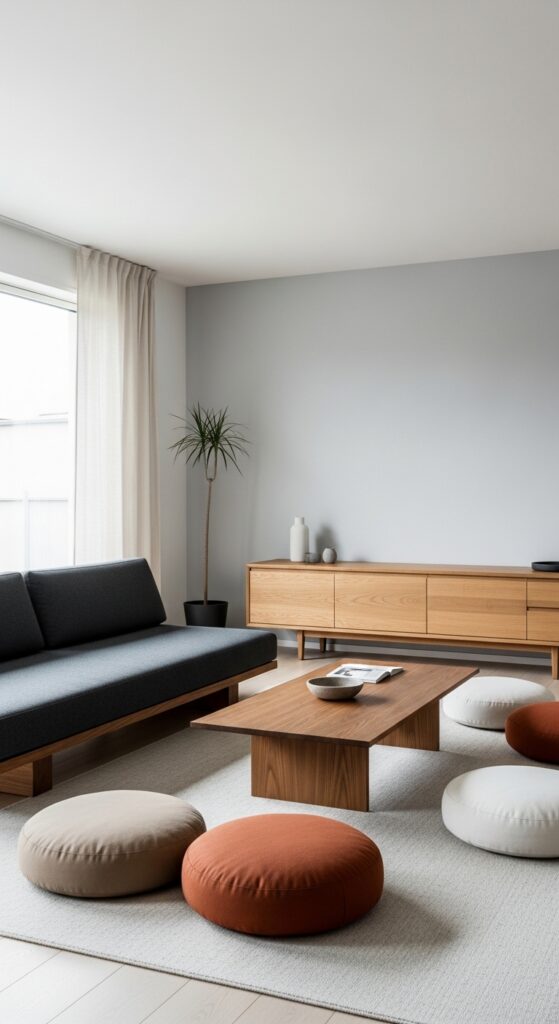
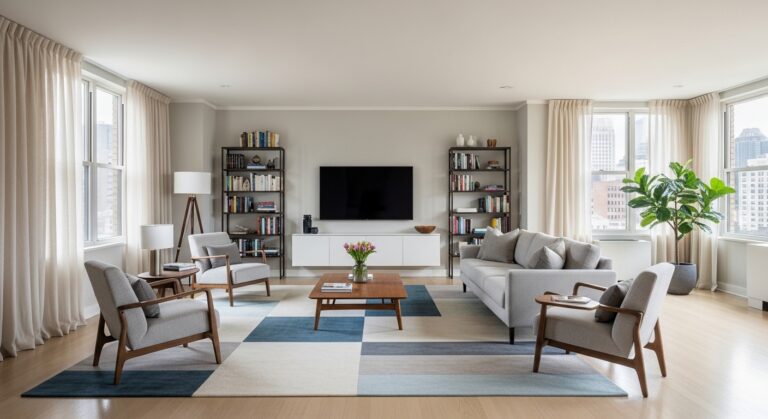
Low-profile furniture creates the grounded, spacious feeling characteristic of Japandi interiors. Select sofas, beds, and tables that sit closer to the floor than typical Western furniture, emphasizing horizontal lines that promote calm. Platform beds without tall headboards, low-slung sofas with minimal legs, and coffee tables that hover just above floor level all contribute to this aesthetic. The lower furniture profile makes ceilings feel higher and rooms feel more expansive. This approach references traditional Japanese living where floor seating and low tables dominated, creating intimate, grounded environments.
The practical benefits extend beyond aesthetics—low furniture creates unobstructed sight lines that make spaces feel open and flowing. When seated, your eye level naturally rests on beautiful details rather than clutter on high surfaces. Complement low furniture with floor cushions for additional flexible seating that can be tucked away when not needed. Choose pieces with clean lines and minimal ornamentation that emphasize form and material rather than decorative details. The streamlined silhouettes prevent visual clutter while the lower height creates cozy, human-scaled environments that feel comfortable rather than intimidating or formal.
Create Intentional Negative Space
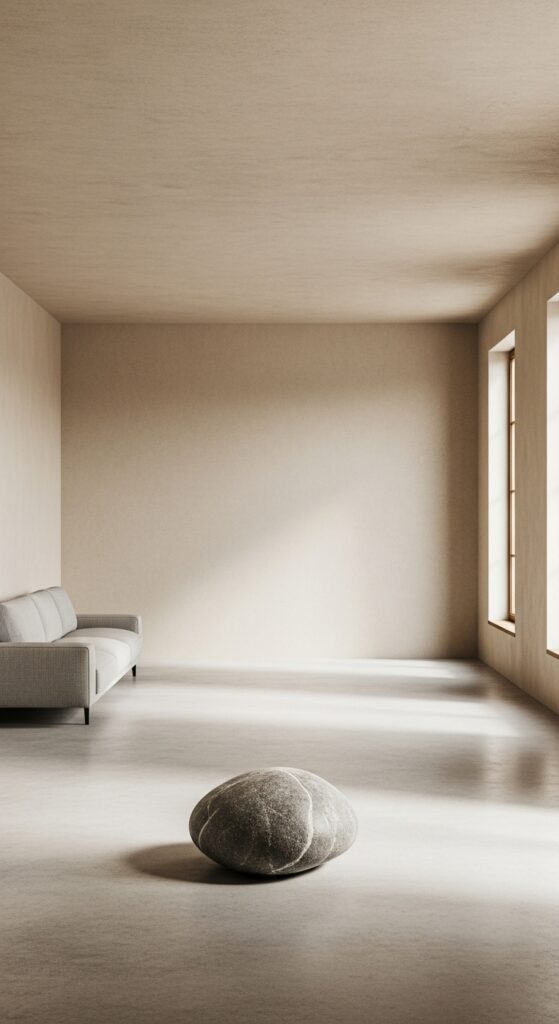
Negative space—the empty areas between and around objects—is as important as the objects themselves in Japandi design. Resist the urge to fill every surface and wall, instead allowing generous breathing room that lets each piece shine. Leave walls partially bare, maintain clear floor spaces, and keep surfaces largely empty except for a few meaningful items. This intentional emptiness creates visual rest and mental calm, preventing the overwhelm that cluttered spaces produce. The empty space isn’t wasted—it serves the crucial purpose of highlighting what you do display while giving eyes and minds places to rest.
Creating negative space requires discipline in a consumer culture that constantly encourages accumulation. Evaluate each potential addition by asking whether it serves a clear purpose or brings genuine joy rather than simply filling space. Arrange furniture to create open pathways and clear sight lines rather than pushing everything against walls. Allow solo artworks to command attention on otherwise empty walls rather than creating crowded gallery walls. The breathing room makes your space feel larger, more luxurious, and infinitely more peaceful. This principle transforms minimalism from deprivation into intentional curation that elevates everything you choose to keep.
Invest in Functional Beauty
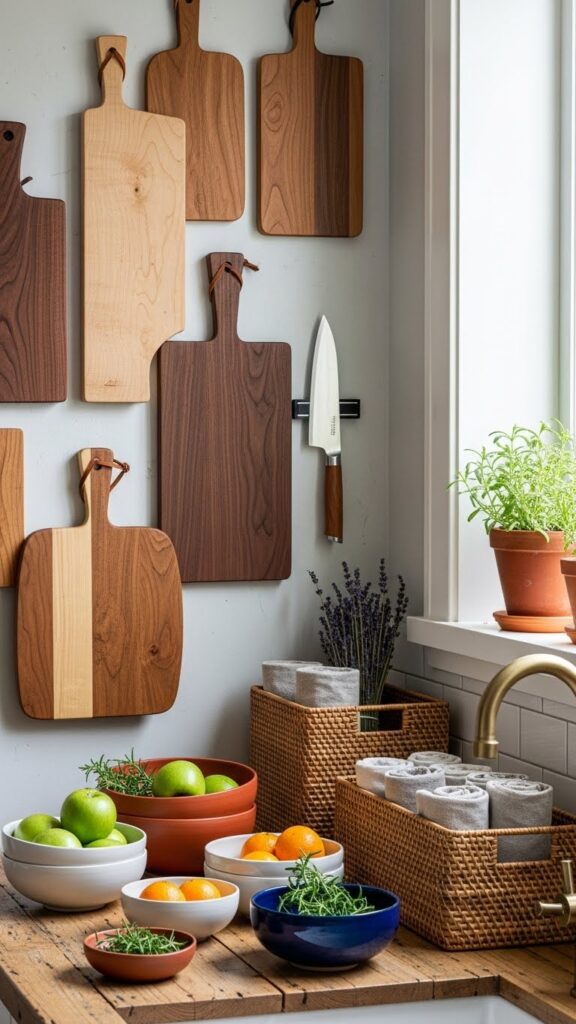
Japandi design erases the boundary between functional items and decorative objects by choosing beautiful versions of everyday necessities. Select cutting boards, dish towels, storage containers, and kitchen tools that are aesthetically pleasing enough to display openly. Handwoven baskets, ceramic vessels, wooden utensils, and linen textiles all serve practical purposes while contributing to your space’s beauty. This approach eliminates the need for separate decorative objects while ensuring everything visible earns its place through both utility and appearance. The philosophy values items that work hard while looking good.
This dual-purpose mindset simplifies both shopping and organizing decisions. When purchasing functional items, choose quality materials and timeless designs that you’ll genuinely enjoy viewing daily. Display your most beautiful practical items openly—hang handsome pots and pans, stack attractive dishes on open shelving, showcase your prettiest linens on counters. This transparency creates honest, authentic spaces that celebrate real life rather than hiding it behind closed doors. The approach also naturally limits accumulation since you’ll only keep items worthy of display, preventing the junk drawer phenomenon that plagues many homes. Functional beauty makes everyday tasks more pleasurable.
Incorporate Organic Shapes
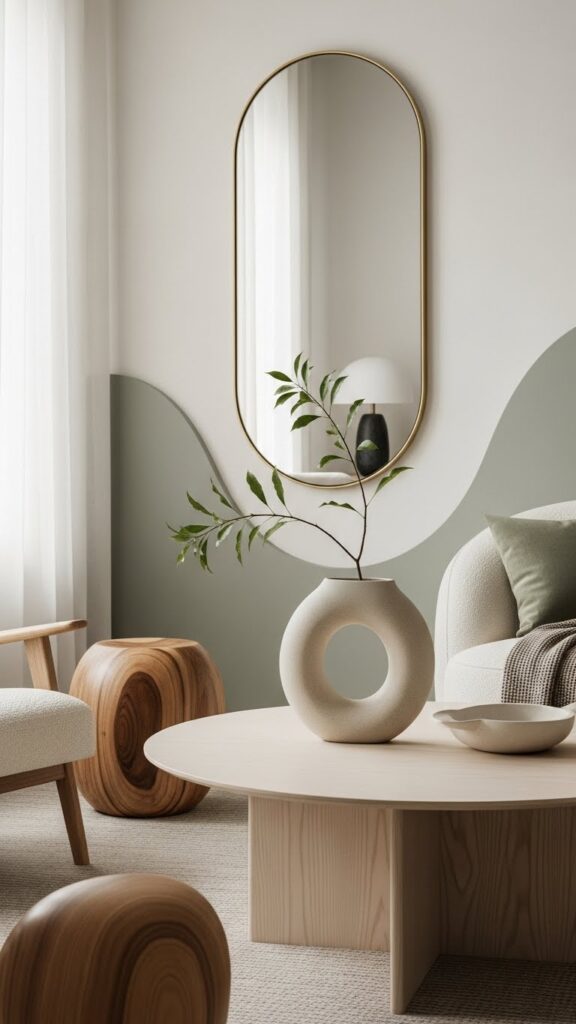
Balance Japandi’s clean lines with organic, curved forms inspired by nature. Incorporate round coffee tables, oval mirrors, sculptural vases with irregular shapes, and furniture with gently curved edges. These softer forms prevent spaces from feeling too rigid or austere while referencing natural shapes like river stones, tree trunks, and cloud formations. The organic curves create visual interest within minimalist spaces without requiring pattern or color. Mix angular and curved elements throughout your home—pair a rectangular sofa with a round coffee table, or position a curved ceramic piece on a straight-edged shelf.
Organic shapes also make spaces feel more inviting and human-scaled compared to exclusively angular geometry. The curves soften minimalism’s potential coldness while maintaining sophistication and restraint. Look for handmade ceramics with natural irregularities, wooden bowls and vessels that follow the wood’s original form, or sculptural lighting that mimics organic shapes. These elements add gentle dynamism that guides the eye smoothly through spaces rather than creating jarring visual stops. The balanced combination of straight and curved lines creates harmonious environments that feel both orderly and natural, reflecting Japandi’s fusion of human design and organic inspiration.
Layer Textures Thoughtfully
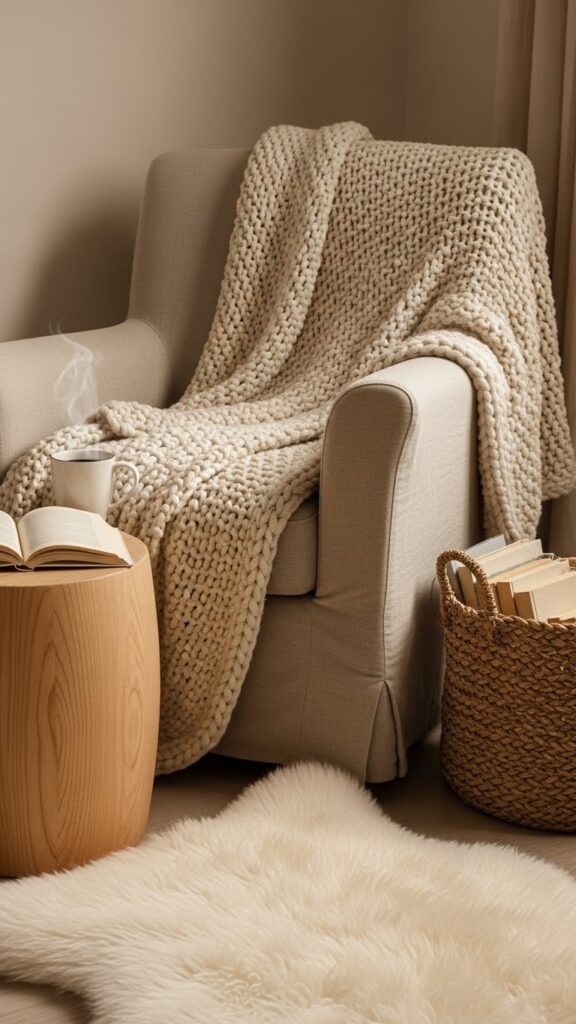
Within Japandi’s neutral palette, texture becomes crucial for creating depth and sensory interest. Layer smooth with rough, soft with firm, matte with subtle sheen to build richness without color. Combine nubby linen curtains with smooth leather seating, pair chunky knit throws with sleek wooden furniture, or position rough woven baskets beside polished ceramic vessels. The textural variety prevents neutral spaces from feeling flat or boring while maintaining the calm that monochromatic schemes provide. Each material’s unique surface quality contributes to the overall sensory experience of your space.
Focus on natural textures that engage touch as well as sight—the pleasant roughness of raw linen, the smooth coolness of polished wood, the cozy softness of wool, or the organic irregularity of handwoven textiles. These tactile qualities make spaces feel welcoming and comfortable rather than sterile. Layer textiles especially generously: linen bedding topped with cotton throws and wool blankets, or sofas dressed with various cushions in complementary natural fabrics. The textural layering creates cozy, inviting environments that encourage relaxation and presence. This approach proves that visual simplicity and sensory richness can coexist beautifully when texture provides the variation.
Embrace Craftsmanship and Handmade Items
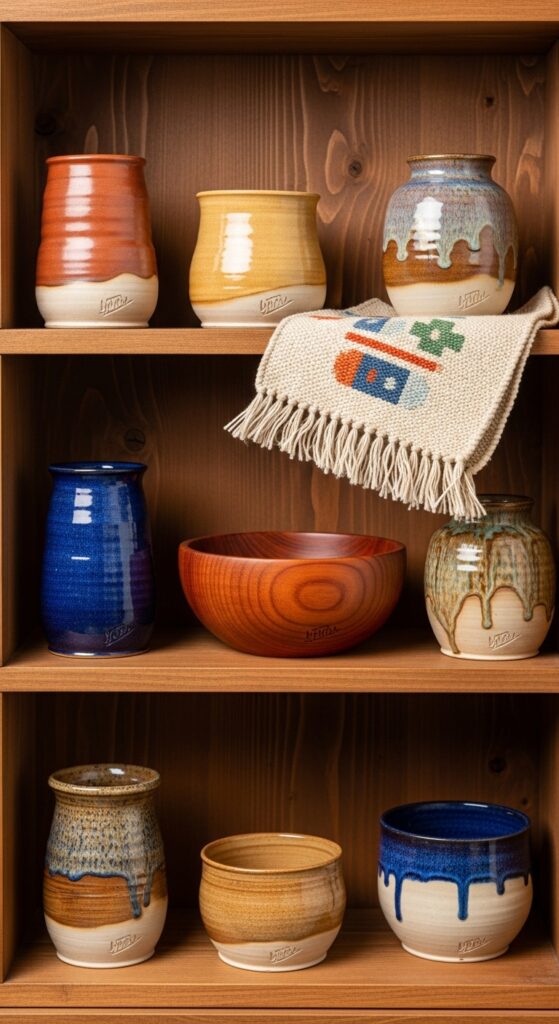
Japandi design honors traditional craftsmanship by incorporating handmade items that showcase maker skill and attention. Choose hand-thrown pottery over factory-produced ceramics, handwoven textiles over machine-made versions, and furniture crafted by skilled artisans. These pieces carry the energy and intention of their makers, adding soul and authenticity that mass production cannot replicate. The slight variations inherent in handwork—uneven glaze, visible weave patterns, subtle asymmetries—align perfectly with wabi-sabi principles while ensuring your space feels unique rather than catalog-curated. Each handmade piece tells a story and honors human creativity.
Supporting craftspeople also connects you to broader communities and sustainable production methods. Seek local artisans at craft fairs, potters’ studios, or woodworking shops to find unique pieces while supporting regional economies. The investment in handmade quality typically means longer-lasting items that transcend trends, making them economically sensible despite higher initial costs. Display handmade pieces prominently where their craftsmanship can be appreciated—a beautiful ceramic vessel deserves table placement, handwoven textiles should drape visibly. The presence of handmade items elevates your entire space while creating meaningful connections to makers and materials that enrich your daily environment.
Integrate Nature Through Plants
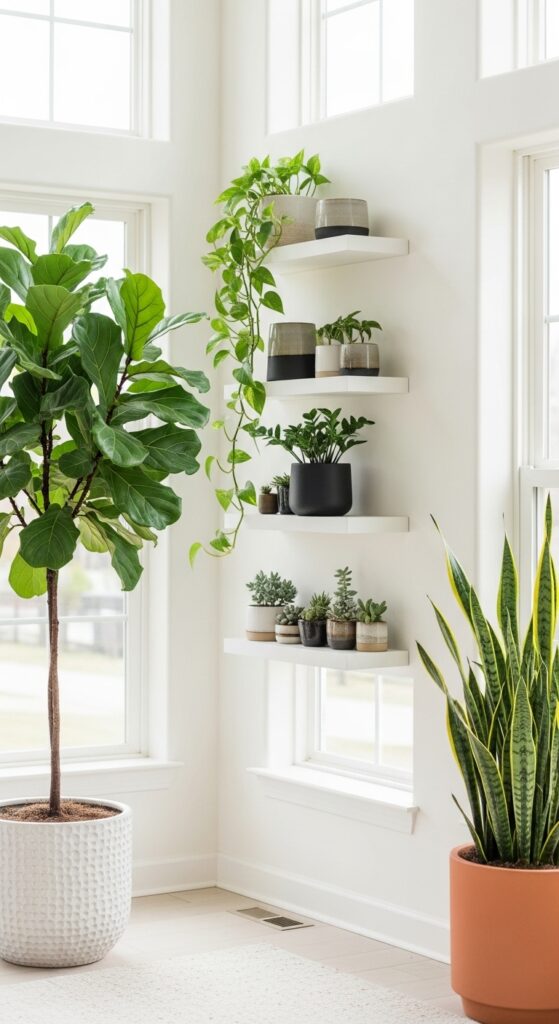
Living plants are essential Japandi elements that bring nature indoors and create vital connections to the organic world. Choose sculptural plants like fiddle leaf figs, snake plants, or Japanese maples that function as living art pieces. Display plants in simple ceramic or terracotta pots that complement your neutral palette rather than competing for attention. Position plants strategically to soften architectural elements, fill empty corners, or add life to shelving arrangements. The greenery provides the only color many Japandi spaces need, creating fresh accents that change seasonally and grow over time.
Select plants appropriate for your space’s light conditions to ensure they thrive rather than merely survive. Healthy, well-maintained plants contribute to air quality while bringing organic movement and growth energy into static environments. Group plants at varying heights to create natural arrangements rather than lining them uniformly. Consider low-maintenance varieties if you’re new to plant care—snake plants, pothos, and ZZ plants tolerate neglect while providing beautiful foliage. The living presence of plants makes spaces feel dynamic and connected to natural cycles, reinforcing Japandi’s emphasis on harmony between human spaces and the natural world.
Choose Quality Over Quantity
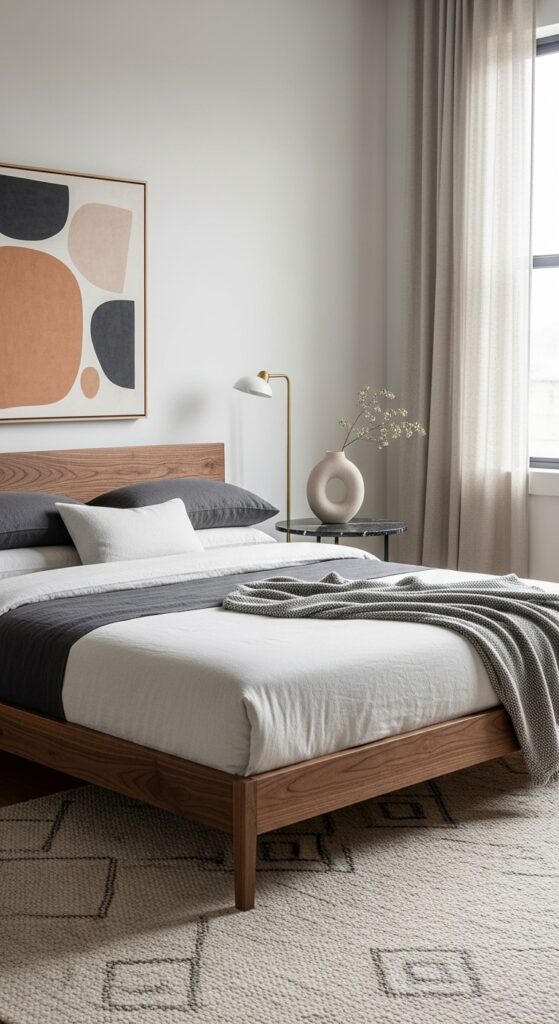
Japandi philosophy prioritizes owning fewer, better things rather than accumulating mediocre abundance. Invest in well-crafted furniture made from solid materials that will last decades rather than purchasing disposable trend pieces. Choose premium natural fiber textiles, handmade pottery, and thoughtfully designed items that bring genuine pleasure. This approach reduces overall spending despite higher per-item costs because you purchase less frequently and avoid replacement cycles. Quality pieces age beautifully, developing character that enhances their appeal while cheap alternatives deteriorate quickly and require constant replacement.
The quality-over-quantity mindset extends beyond economics to emotional and environmental benefits. Fewer, better things mean less visual clutter, easier maintenance, and reduced decision fatigue about what to wear, use, or display. You’ll develop deeper appreciation for items you truly love rather than feeling overwhelmed by excess options. When purchasing, ask whether an item represents the best version you can afford and whether you’ll still value it years from now. This deliberate curation creates spaces filled only with things you find beautiful, useful, or meaningful—the core principle of minimalist living that makes Japandi so sustainably satisfying.
Maximize Natural Light
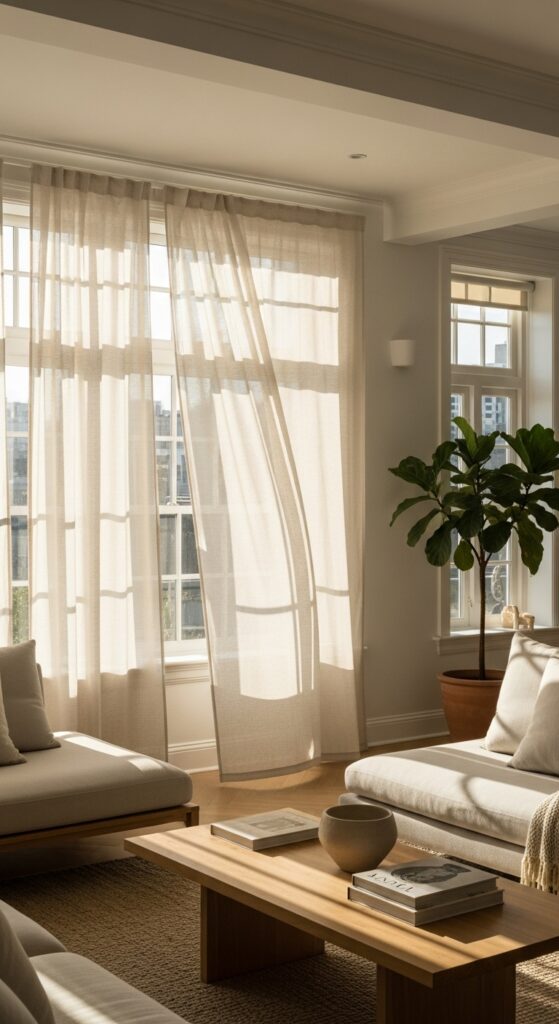
Natural light is precious in Japandi design, celebrated and maximized rather than blocked or filtered excessively. Use sheer linen or cotton curtains that diffuse harsh sun while maintaining luminosity, or leave windows completely bare when privacy allows. Paint walls in light neutral tones that reflect and amplify available daylight. Position mirrors strategically to bounce light deeper into rooms and create the illusion of additional windows. Avoid heavy drapes, dark paint colors, or window-blocking furniture arrangements that diminish your space’s natural brightness. The abundant natural light enhances the organic materials and neutral colors central to Japandi aesthetics.
Maximizing daylight also supports circadian rhythms and mental well-being by connecting you to natural daily cycles. In darker months or north-facing rooms, supplement with warm-toned lighting that mimics natural light quality rather than harsh cool bulbs. Keep window areas clear of excessive plants or decorations that block light penetration. Consider removing unnecessary window treatments entirely in private spaces like bedrooms facing backyards. The prioritization of natural light creates uplifting, energizing environments while reducing electricity consumption. This approach honors both sustainability and the Japanese concept of bringing the outside in, maintaining constant visual and emotional connection to the natural world beyond your walls.
Create Dedicated Zones for Activities
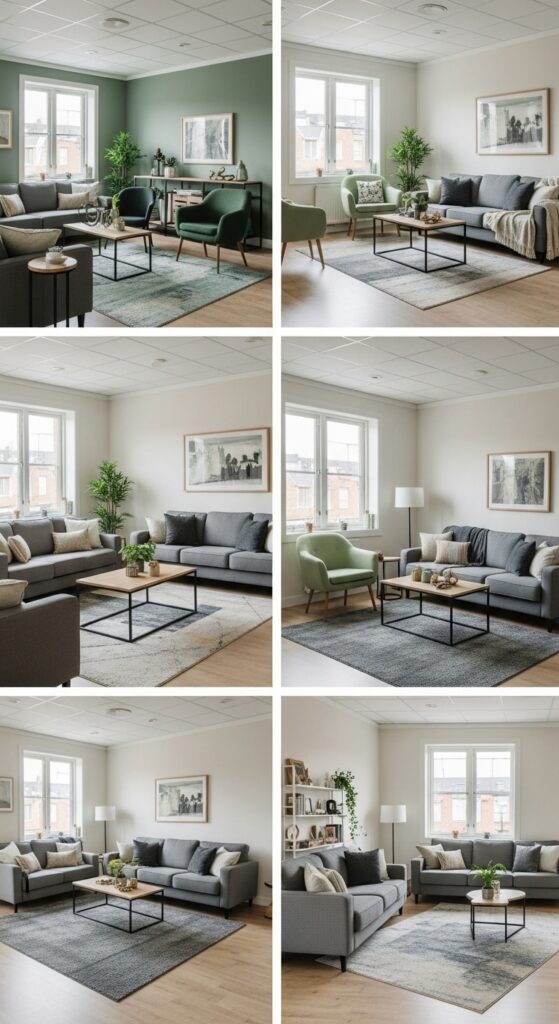
Japandi design creates clearly defined zones for different activities even in open-plan spaces. Designate specific areas for reading, dining, working, and relaxing rather than letting functions blur together. Use furniture arrangement, area rugs, or subtle level changes to delineate zones without requiring walls. This spatial organization brings order and intentionality to your environment while supporting focused engagement with each activity. When you sit in your reading corner, that’s all you do there—no work laptops or dining clutter intruding. The dedicated zones reduce mental clutter by creating physical separation between life’s different functions.
Clear zoning also improves functionality by ensuring each area contains exactly what it needs without excess. Your work zone holds only work essentials, your dining area focuses purely on eating and gathering, and your relaxation corner excludes anything unrelated to rest. This specificity prevents the accumulation of random items that gradually colonize multi-purpose spaces. Use furniture as gentle dividers—position a sofa to separate living and dining areas, or angle a bookshelf to create a home office boundary. The defined zones make small spaces feel more organized and spacious while helping larger rooms avoid the cavernous feeling that undefined open space can create.
Incorporate Japanese Joinery and Craftsmanship
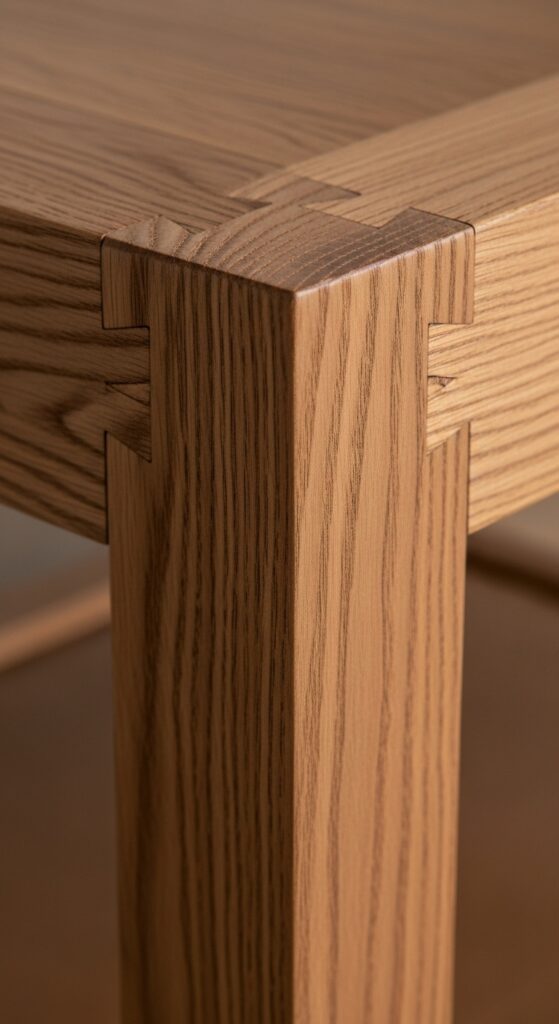
Japanese woodworking traditions emphasize exposed joinery where structural connections become decorative elements celebrating craft and honesty. Seek furniture featuring visible joinery techniques like dovetails, mortise and tenon connections, or finger joints rather than hidden hardware and glue. These traditional methods showcase maker skill while creating beautiful geometric patterns and visual interest. The exposed structure communicates transparency and authenticity—nothing is hidden or disguised. This approach contrasts with Western furniture traditions that often conceal construction, instead making the making itself part of the aesthetic experience.
Furniture showcasing traditional joinery techniques often commands higher prices but delivers superior durability and timeless beauty. The visible joints create subtle decorative elements within otherwise minimalist designs, adding craft interest without applied ornamentation. When shopping, examine furniture construction closely—look for solid wood connected with visible joinery rather than particleboard held with hidden screws. Japanese-style joinery also eliminates metal hardware that can corrode or loosen, creating furniture that maintains integrity for generations. The appreciation for structural beauty transforms functional necessity into artful expression, perfectly embodying Japandi’s fusion of utility and aesthetics.
Practice Mindful Decluttering
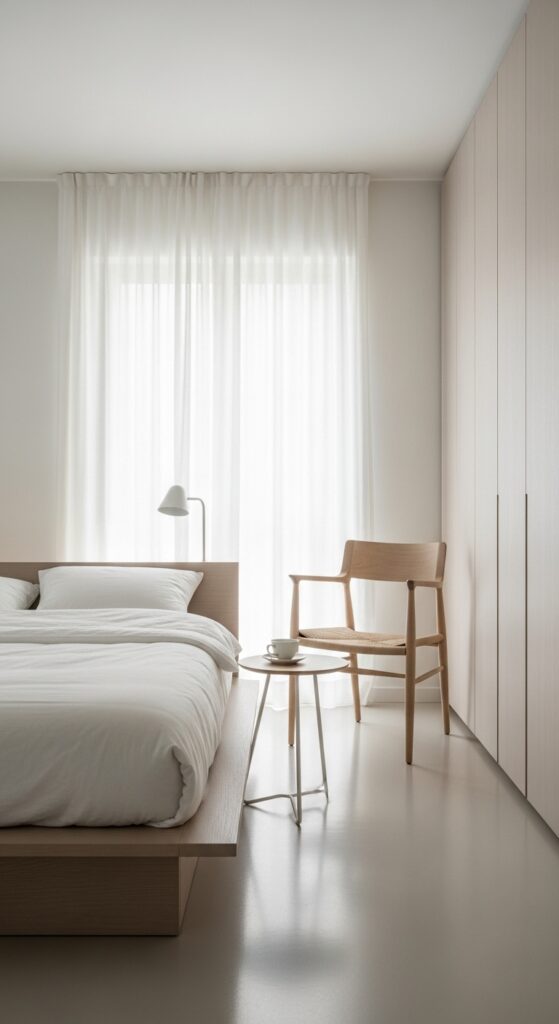
Japandi spaces require ongoing curation to maintain their characteristic calm and clarity. Regularly evaluate possessions, removing items that no longer serve practical purposes or bring genuine joy. Practice the one-in-one-out rule: when acquiring something new, release something old to prevent gradual accumulation. Store occasional-use items in closed cabinets rather than leaving them visible, keeping only daily essentials and beautiful objects on display. This discipline prevents the visual noise that undermines tranquil environments and makes cleaning and organizing infinitely easier. Decluttering becomes maintenance rather than crisis intervention.
Mindful decluttering differs from purging marathons by incorporating regular small releases rather than dramatic overhauls. Spend ten minutes weekly evaluating one area—a drawer, shelf, or closet section—removing items that have outlived their usefulness. Donate or sell quality items rather than discarding, extending their lifecycle while supporting others. The practice cultivates awareness about consumption patterns, helping you recognize what you actually use versus what you aspirationally keep. Over time, this mindfulness naturally reduces new purchases as you become more selective about what enters your home. The result is spaces containing only what you genuinely need and love.
Use Sliding Doors and Flexible Partitions
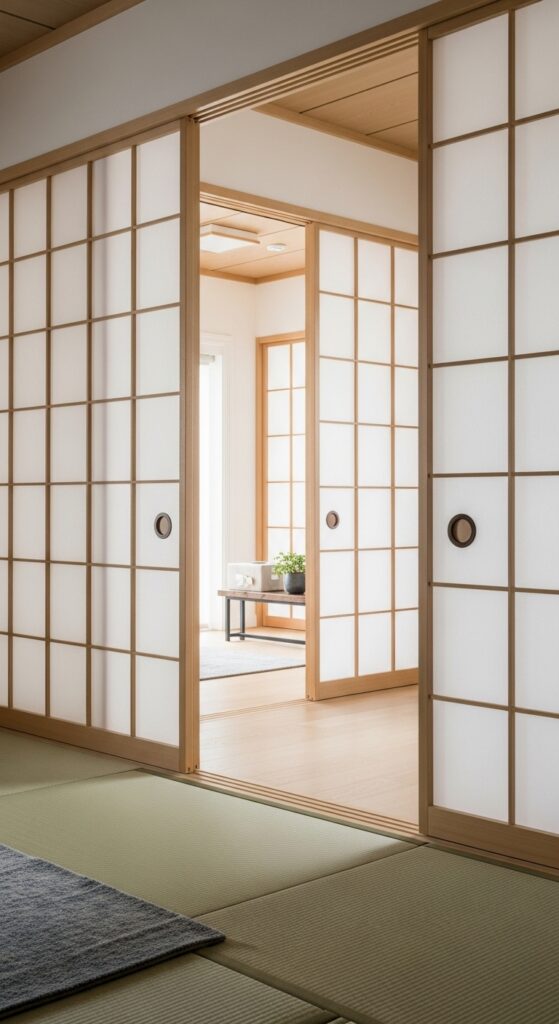
Sliding doors and moveable partitions provide flexible spatial solutions aligned with Japanese design traditions. Install sliding barn doors, shoji-inspired screens, or track-mounted panels that allow rooms to be opened or closed as needs change. These space-saving alternatives to swinging doors eliminate clearance requirements while adding architectural interest. The ability to reconfigure spaces supports the Japandi principle of adaptability—close off a home office after work hours, or open rooms to create flowing entertaining spaces. The translucent or semi-transparent materials often used maintain light flow even when divisions are closed.
Flexible partitions work especially well in smaller homes where rigid room definitions waste precious space. A sliding panel can separate sleeping and living areas in a studio, or create temporary privacy for guests in multi-purpose rooms. The minimal visual weight of sliding elements prevents them from feeling heavy or imposing unlike solid walls. Choose materials that complement your aesthetic—natural wood frames with linen panels, bamboo screens, or frosted glass for contemporary interpretations. The Japanese-inspired flexibility transforms how you interact with your space, encouraging creative use patterns that respond to changing needs throughout days, seasons, and life stages.
Display Art Sparingly and Purposefully
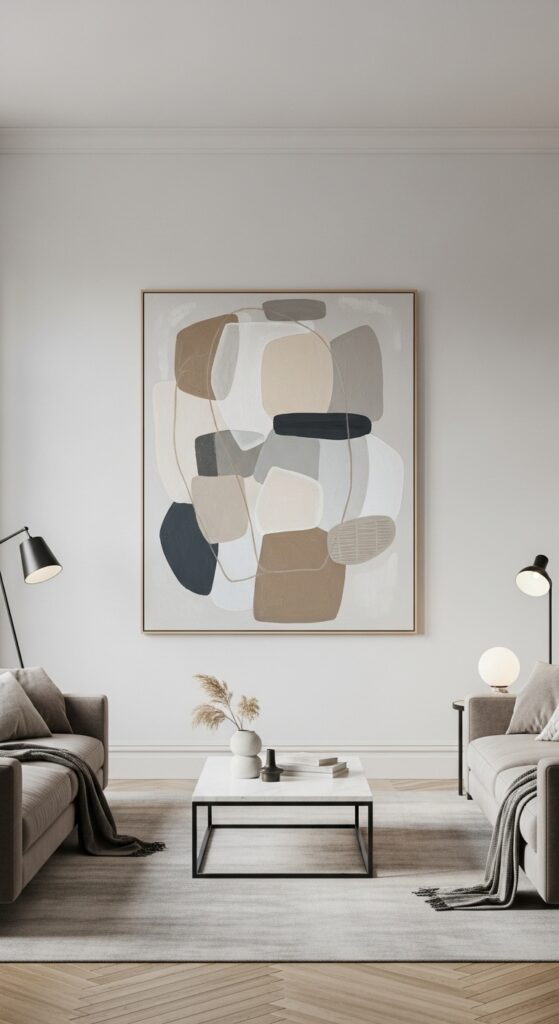
Japandi spaces showcase art sparingly, treating each piece as a significant statement rather than filling walls completely. Choose one or two meaningful artworks per room, giving each generous surrounding space to breathe and command attention. Select pieces with neutral palettes, natural subjects, or abstract compositions that complement rather than compete with your interior’s calm aesthetic. Oversized single pieces often work better than gallery walls, creating bold focal points without visual fragmentation. The restraint ensures artwork receives proper appreciation rather than getting lost in cluttered arrangements.
Rotate displayed art seasonally to maintain fresh perspective and prevent visual habituation that causes you to stop really seeing familiar pieces. Store non-displayed art properly so you can change out works without new purchases. Choose simple frames in natural wood or matte black that don’t distract from the artwork itself. Consider three-dimensional art like ceramic wall pieces, wooden sculptures, or fiber arts that add textural interest. The purposeful curation communicates that art matters enough to warrant breathing room and focused attention, elevating both the artwork and your space. This approach transforms your home into a curated gallery where each piece receives the reverence it deserves.
Integrate Smart Storage Solutions
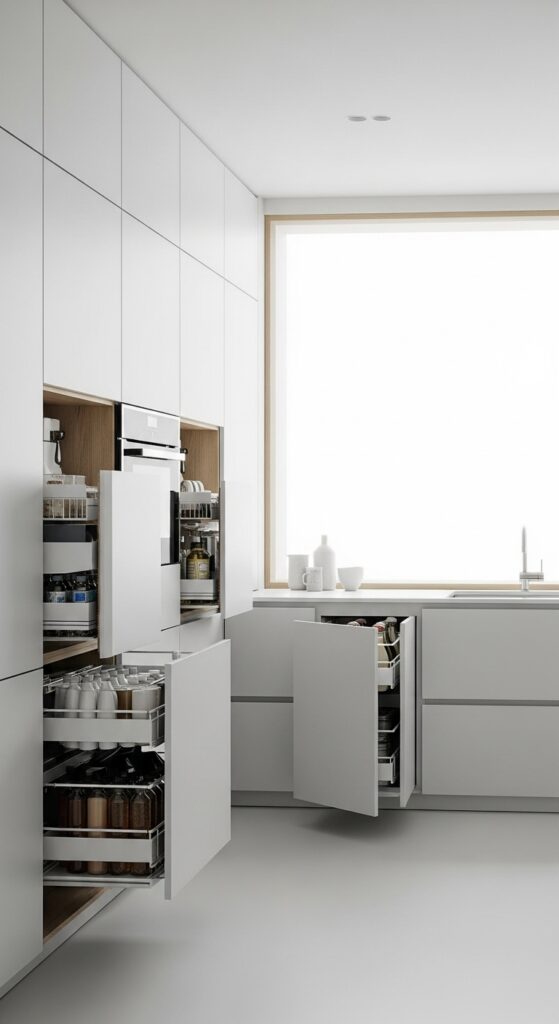
Effective Japandi design requires abundant concealed storage that hides life’s necessary clutter. Invest in built-in cabinetry, wall-mounted systems, or furniture with integrated storage that keeps items accessible but invisible. Choose storage solutions with clean, handleless facades that blend seamlessly with walls rather than announcing their presence. Under-bed storage, ottoman interiors, bench seats with lift-up compartments, and coffee tables with hidden shelving all provide functional storage without visual impact. The generous hidden storage makes it realistic to maintain clear surfaces and uncluttered rooms that define Japandi aesthetics.
Thoughtful storage organization prevents concealed spaces from becoming chaotic dumping grounds. Use drawer dividers, shelf risers, and labeled containers to maintain order even in closed cabinets. This internal organization makes finding items quick and stress-free while maximizing storage capacity. Consider vertical storage solutions that utilize often-wasted wall height. The investment in proper storage infrastructure might seem expensive initially but pays ongoing dividends through reduced stress, easier maintenance, and the ability to actually achieve the serene environments that make Japandi appealing. Well-designed storage proves that minimalist aesthetics and real life can coexist when planning includes realistic accommodation for necessary possessions.
Choose Lighting as Sculptural Elements
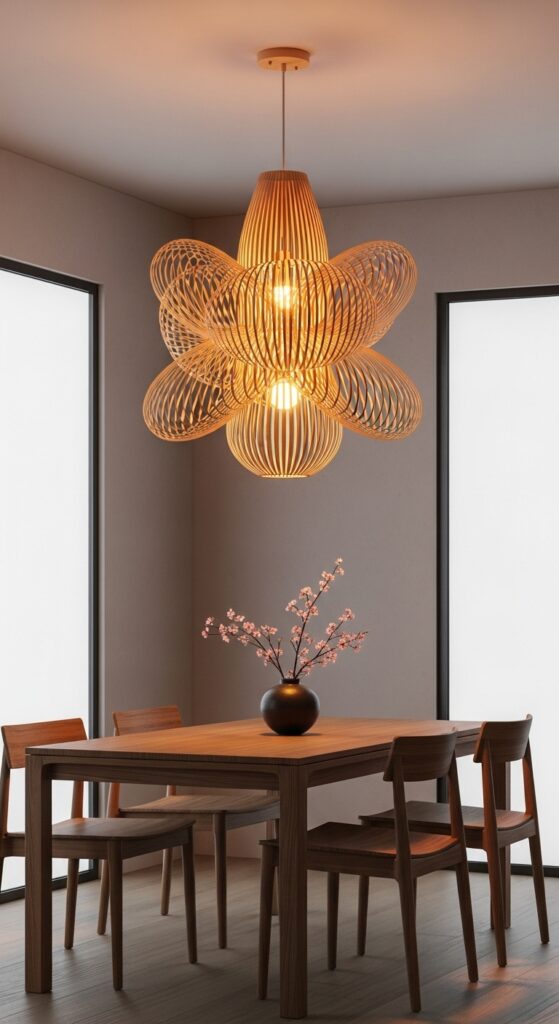
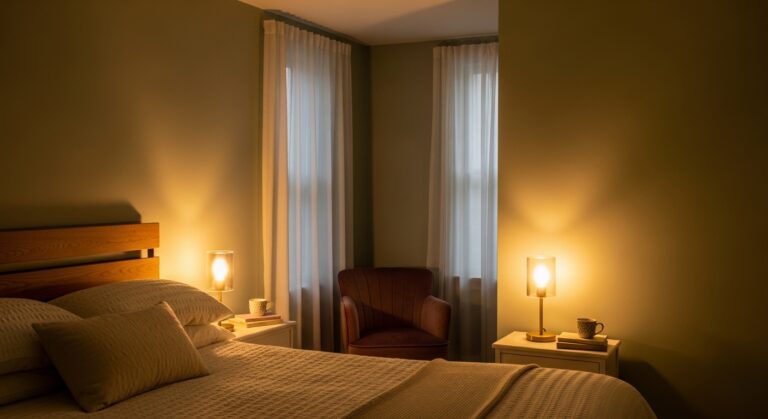
Lighting in Japandi spaces serves dual purposes as illumination and sculptural art. Select fixtures with beautiful forms in natural materials—woven rattan pendants, ceramic table lamps, wooden floor lamps, or paper lanterns inspired by Japanese akari. Choose designs with clean lines and organic shapes that become focal points even when unlit. The fixtures should provide soft, warm ambient light rather than harsh brightness, creating cozy atmospheres that support relaxation. Layer lighting at multiple levels—overhead, task, and accent—to create flexible illumination supporting different activities and moods throughout the day.
Quality lighting dramatically affects how your space feels and functions. Avoid cold LED bulbs, instead choosing warm white temperatures (2700-3000K) that mimic natural candlelight and enhance wood tones and skin tones. Use dimmer switches to adjust intensity according to time of day and activity. Position task lighting specifically where needed for reading, cooking, or working rather than relying solely on overhead fixtures. Consider the fixture’s appearance from all angles since pendant lights and exposed bulbs are visible from below. The thoughtful lighting creates ambiance while showcasing your commitment to beauty in every element, proving that even functional necessities deserve aesthetic consideration.
Embrace Floor Seating Options
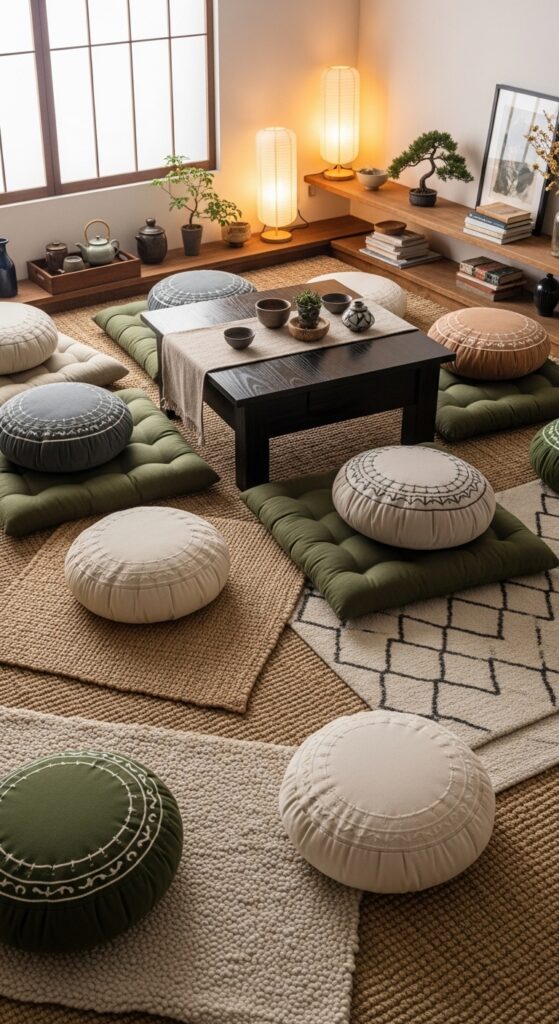
Incorporate floor seating elements that reference Japanese living traditions while adding flexibility to your space. Include floor cushions, meditation pillows, or poufs that provide comfortable ground-level seating for casual gatherings, meditation, or relaxation. Layer soft rugs to create comfortable floor zones where sitting without furniture feels natural and inviting. The floor seating options work beautifully with low coffee tables for informal dining or tea service. This approach creates intimate, grounded environments that feel different from typical Western chair-dominated rooms, offering variety in how you inhabit and use your space.
Floor seating proves especially valuable in small spaces where permanent furniture can overwhelm. Cushions stack and store easily, allowing you to clear floor space when not hosting or change room configurations quickly. The lower perspective shifts your spatial experience and visual relationship to your environment, creating fresh appreciation for familiar rooms. Children particularly enjoy floor seating, making these elements family-friendly. Choose cushions in durable natural fabrics like linen or cotton in neutral tones, and opt for comfortable supportive fills. The versatility of floor seating embodies Japandi’s emphasis on adaptability and intentional living.
Incorporate Water Elements
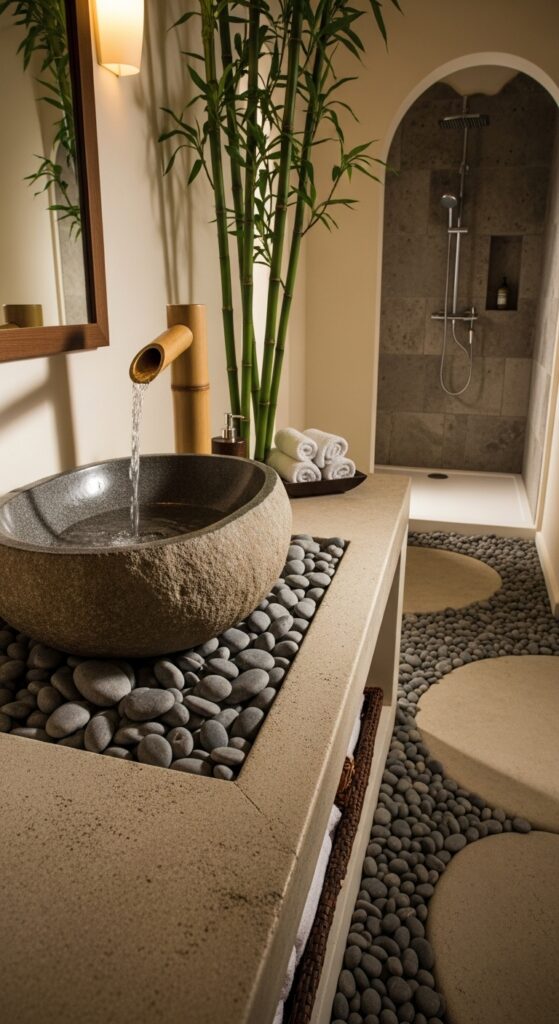
Water elements bring soothing energy and sensory richness to Japandi interiors. Install a small tabletop fountain, incorporate a vessel sink in natural stone, or add a subtle wall-mounted water feature. The gentle sound of moving water creates peaceful ambiance while referencing Japanese garden traditions where water symbolizes purity and continuous flow. Choose water features with natural materials like stone, bamboo, or ceramic rather than artificial materials. The presence of water adds humidity to dry indoor environments while creating focal points that engage multiple senses—the visual movement, gentle sound, and cooling presence all contribute to tranquil atmospheres.
Water elements work especially well in bathrooms where they enhance spa-like qualities and support relaxation rituals. A stone vessel sink becomes a sculptural element while serving practical purposes. In living areas, a small fountain on a sideboard or shelf provides white noise that masks urban sounds and supports meditation or concentration. Ensure water features include easy maintenance access and water-safe surroundings. The presence of water creates dynamic living elements that change with light and introduce subtle movement into otherwise static rooms. This connection to natural forces aligns with Japandi’s emphasis on bringing outdoor elements inside and creating spaces that nurture both body and spirit.
Practice Seasonal Rotation
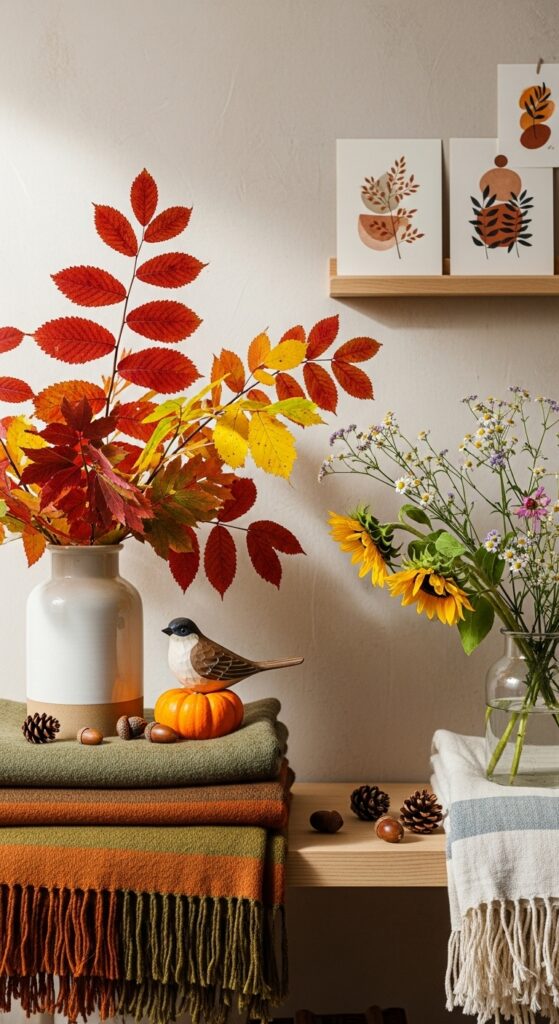
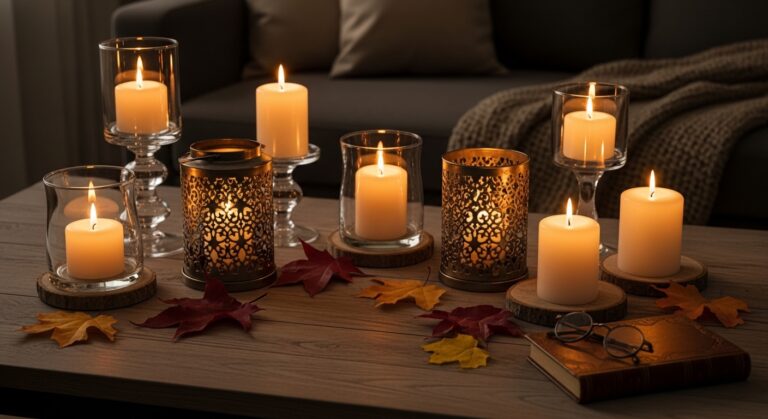
Embrace seasonal rotation by changing textiles, displayed objects, and natural elements throughout the year. Swap lightweight linen throws for chunky wool blankets as weather cools, rotate displayed ceramics to feature seasonal colors or forms, and bring in seasonal branches, flowers, or foliage. This practice maintains freshness and prevents visual stagnation while connecting you to natural cycles and time’s passage. The intentional changes create mindful rituals that mark seasonal transitions and encourage present-moment awareness. Rather than displaying everything always, curate selections appropriate to each season, storing off-season items properly.
Seasonal rotation prevents the boredom that can accompany minimalist spaces when nothing ever changes. The practice also extends your decor investment by cycling items in and out of display rather than replacing them with new purchases. Focus rotations on easily changed elements—textiles, small decor objects, natural materials—rather than furniture. In spring, display cherry blossoms and lighter textiles; autumn brings branches with changing leaves and warmer throws. This rhythm creates living spaces that breathe and evolve alongside the natural world, reinforcing Japandi’s deep connection to nature. The practice cultivates appreciation for what you already own while maintaining the fresh, curated feeling that makes minimalist spaces appealing.
Conclusion
Mastering Japandi interior design is less about following rigid rules and more about embracing core principles that guide thoughtful decision-making. The fusion of Japanese minimalism and Scandinavian functionality creates spaces that serve real life beautifully while nurturing peace and clarity. These twenty-two secrets provide a comprehensive framework for creating authentic Japandi interiors, from philosophical foundations like wabi-sabi to practical strategies like smart storage and seasonal rotation. The beauty of this approach lies in its flexibility—you can implement changes gradually, adapting principles to your specific space, budget, and lifestyle rather than requiring immediate complete transformations.
Start with the secrets that resonate most strongly with your current needs and aesthetic sensibilities. Perhaps you begin by decluttering and creating negative space, then gradually introduce natural materials and handmade pieces as budget allows. Remember that Japandi design values quality over quantity and authenticity over perfection, so there’s no pressure to achieve magazine-worthy spaces instantly. The journey toward simpler, more intentional living is ongoing, with each thoughtful choice bringing you closer to environments that truly support how you want to live. By embracing these effortless secrets, you’ll create a home that feels both beautifully designed and genuinely livable—a serene sanctuary that nurtures you through all of life’s seasons.