21 Tiny Bedroom Design Ideas That Feel Spacious
Small bedrooms present unique design challenges, but limited square footage doesn’t mean sacrificing style or comfort. With thoughtful planning and strategic choices, even the tiniest bedroom can feel open, airy, and inviting. The secret lies in understanding how to maximize every inch through clever furniture selection, smart storage solutions, and visual tricks that fool the eye into perceiving more space. Light colors, multifunctional pieces, and strategic placement all contribute to creating rooms that breathe despite their compact dimensions.
These twenty-one design ideas transform cramped sleeping spaces into havens that feel surprisingly spacious and serene. From vertical storage solutions to optical illusions created through mirror placement, each strategy addresses specific challenges tiny bedrooms present. Whether you’re working with a small apartment bedroom, converting a spare room, or helping a child maximize their space, these practical approaches deliver real results. Discover how to make your small bedroom feel like a luxurious retreat rather than a claustrophobic closet, proving that smart design matters more than square footage.
Embrace an All-White Color Scheme
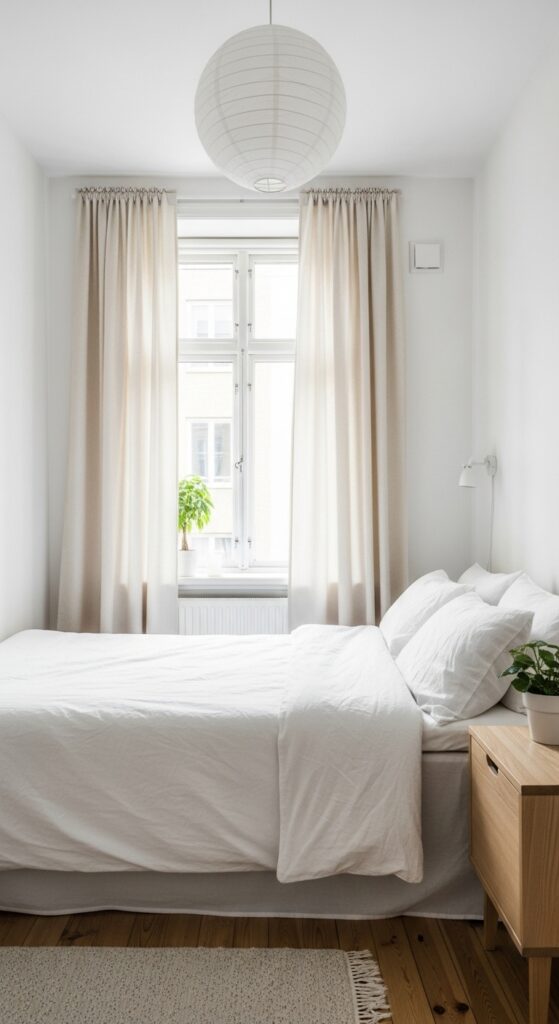
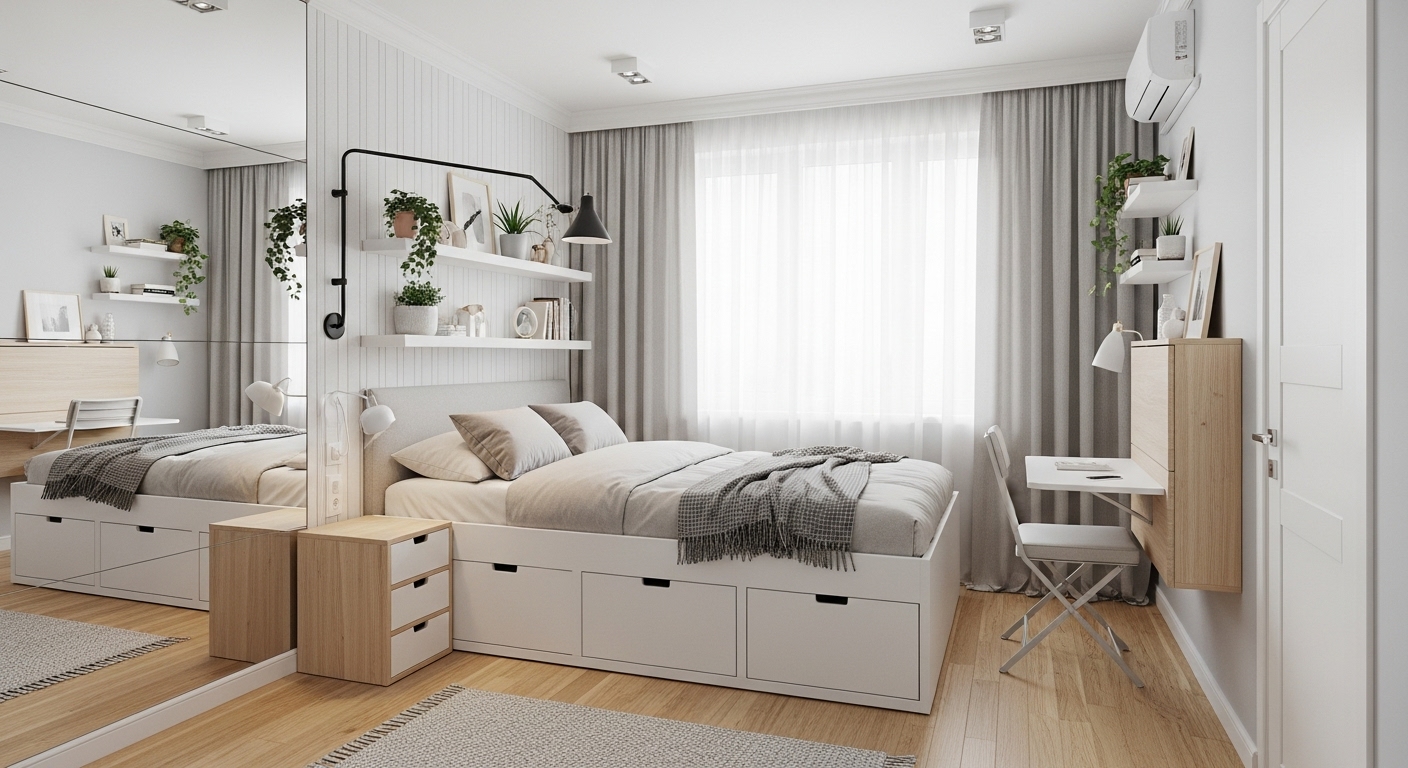
White walls, bedding, and furniture create the illusion of expanded space by reflecting light throughout the room. This monochromatic approach eliminates visual boundaries that darker colors create, making walls seem to recede and ceilings appear higher. The continuous flow of light color tricks the eye into perceiving a larger area than actually exists. Layer different white tones—warm ivory, cool bright white, soft cream—to add depth and prevent the space from feeling sterile or flat while maintaining the expansive quality.
Introduce texture through white materials to keep the space interesting despite the limited color palette. Incorporate linen bedding, cotton curtains, wool throws, and woven baskets that add dimension through varied surfaces rather than color. The textural variety creates visual interest while preserving the light-reflecting properties that make the room feel open. Add warmth through natural wood elements and greenery to prevent the all-white scheme from feeling cold or clinical. This foundation allows you to easily change the room’s mood through small accent additions without major redecorating efforts.
Install Floor-to-Ceiling Curtains
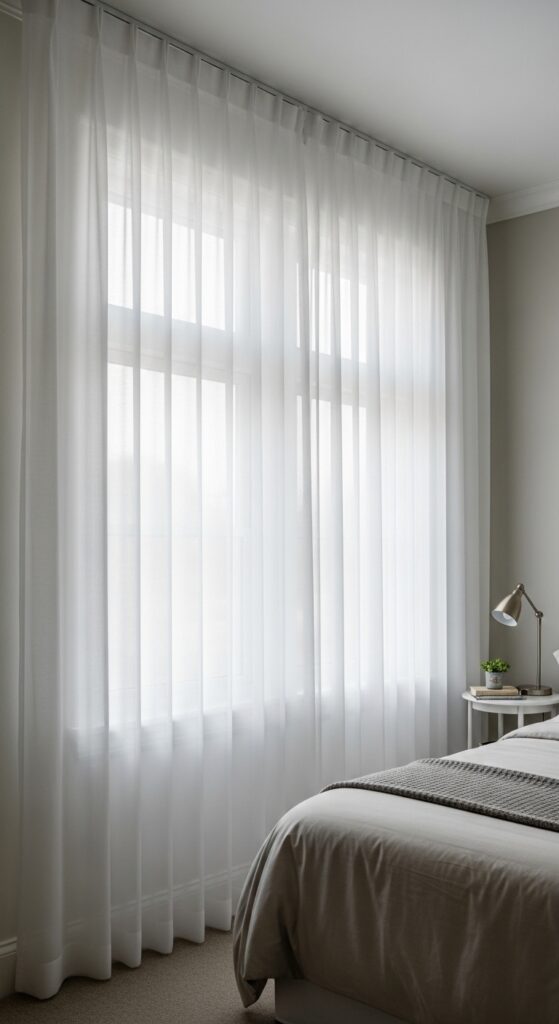
Hanging curtains at ceiling height rather than just above the window frame creates powerful vertical lines that draw eyes upward, making ceilings feel higher. This simple trick costs nothing extra but dramatically changes room proportions, creating the illusion of grander architectural features. Choose curtains that just kiss the floor or puddle slightly for maximum vertical emphasis. The extended fabric length creates elegance and sophistication while making your small bedroom feel more luxurious and spacious than its actual dimensions suggest.
Select lightweight fabrics in pale colors that allow natural light to filter through while maintaining privacy. Sheer linens, voiles, or lightweight cottons work beautifully, preserving the airy feeling essential in small spaces. Avoid heavy dark drapes that absorb light and visually weigh down the room. The floor-to-ceiling treatment works especially well in rooms with shorter ceilings, counteracting the potentially cramped feeling. This affordable intervention delivers significant visual impact, transforming how you perceive and experience your bedroom’s proportions without any construction or major renovation required.
Choose a Platform Bed with Built-In Storage
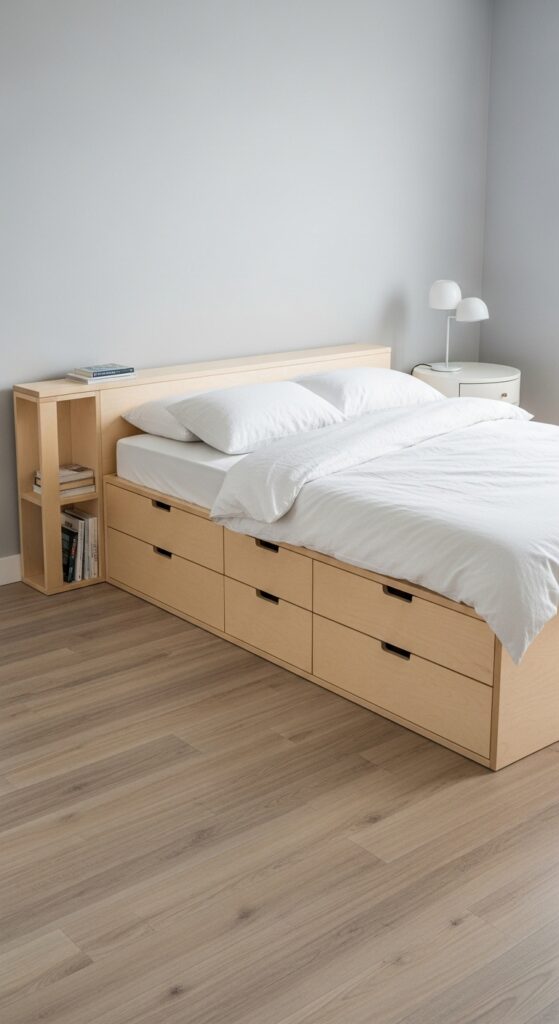
Platform beds with integrated storage eliminate the need for separate dressers or storage units that consume precious floor space. Built-in drawers beneath the mattress provide substantial storage for clothing, linens, or seasonal items while maintaining a streamlined appearance. This multifunctional furniture approach maximizes utility without visual clutter, keeping the room feeling open and organized. The low profile of platform beds also emphasizes horizontal lines rather than vertical bulk, making the room feel wider and less crowded than tall traditional bed frames.
Look for platform beds with smooth-gliding drawers on both sides for maximum storage capacity in rooms where you can access the bed from multiple angles. Some designs include hydraulic lift mechanisms that reveal cavernous storage areas beneath the entire mattress, perfect for bulky items like extra blankets or off-season clothing. The contained storage keeps belongings hidden from view, maintaining the clean uncluttered aesthetic essential for making small spaces feel larger. Invest in quality construction that will withstand frequent drawer use, ensuring your storage solution remains functional for years while continuously saving valuable bedroom space.
Utilize Vertical Wall Space with Floating Shelves
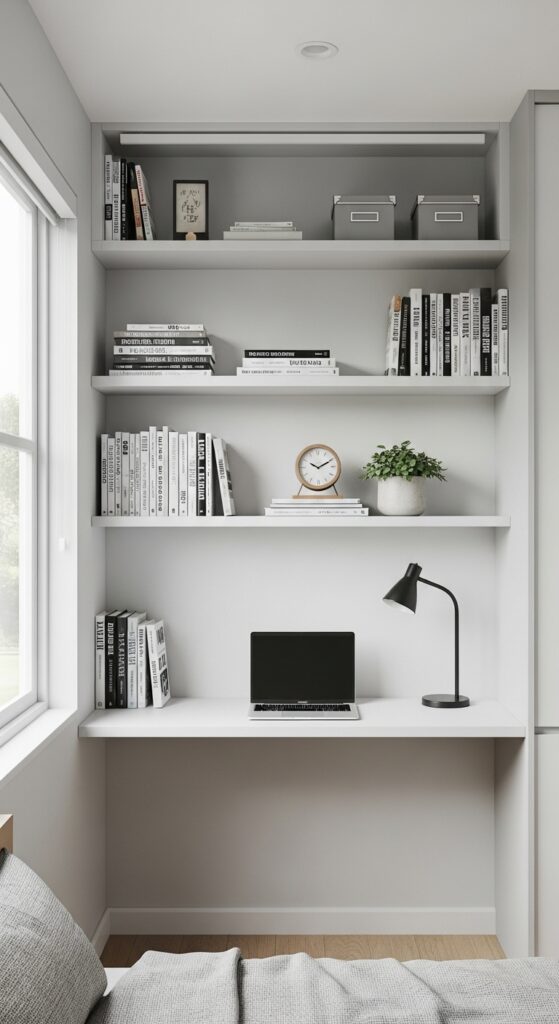
Floating shelves mounted high on walls utilize often-wasted vertical space while keeping floors clear and unobstructed. This storage approach draws eyes upward, emphasizing ceiling height and creating the perception of taller, more spacious rooms. Install shelves in vertical arrangements or staggered patterns to add visual interest while providing practical storage for books, decorative objects, or daily essentials. The wall-mounted design eliminates the need for bulky bookcases or storage units that consume floor space and make rooms feel cramped and cluttered.
Extend shelving all the way to the ceiling to maximize storage capacity and create impressive vertical displays that showcase personality without sacrificing precious square footage. Use upper shelves for items you access infrequently and lower shelves for everyday necessities, creating functional storage hierarchies. Keep displays intentionally curated rather than overcrowded to maintain the airy feeling essential in small bedrooms. Choose shelf colors that match or complement wall colors for seamless integration that doesn’t visually fragment the space. The floating design creates modern sophistication while solving storage challenges inherent in tiny bedrooms.
Position a Large Mirror Strategically
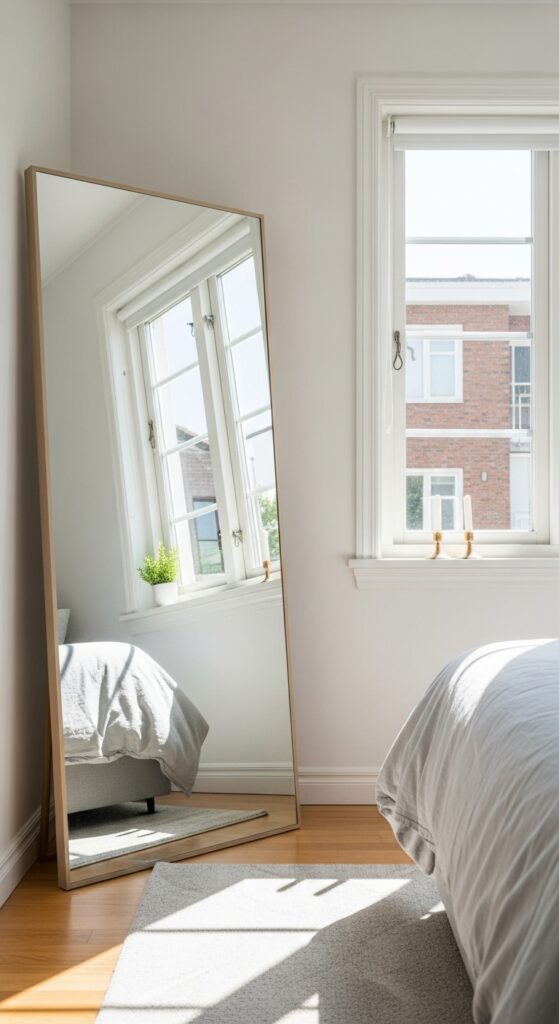
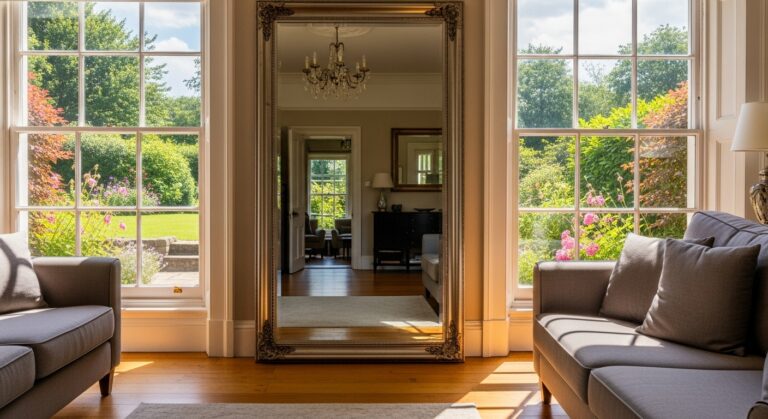
Large mirrors create perhaps the most effective optical illusion for expanding perceived space by literally reflecting the room back on itself. Position mirrors opposite windows to capture and bounce natural light throughout the space, making the room feel brighter and more open. A full-length mirror leaning casually against the wall creates relaxed style while serving the practical purpose of checking outfits. The reflection creates visual depth that tricks the brain into perceiving more square footage than actually exists, essentially doubling the visual space.
Choose mirrors with simple frames or frameless edges that don’t add visual weight or compete for attention. Oversized mirrors make bigger statements with greater spatial impact than collections of smaller mirrors. The reflective surface bounces light around the room, illuminating dark corners and creating overall brightness that makes spaces feel more expansive. Beyond the spatial benefits, mirrors serve functional purposes for grooming and outfit checking. The strategic mirror placement costs relatively little but delivers dramatic results, making this one of the most cost-effective interventions for making tiny bedrooms feel significantly more spacious.
Select Furniture with Exposed Legs
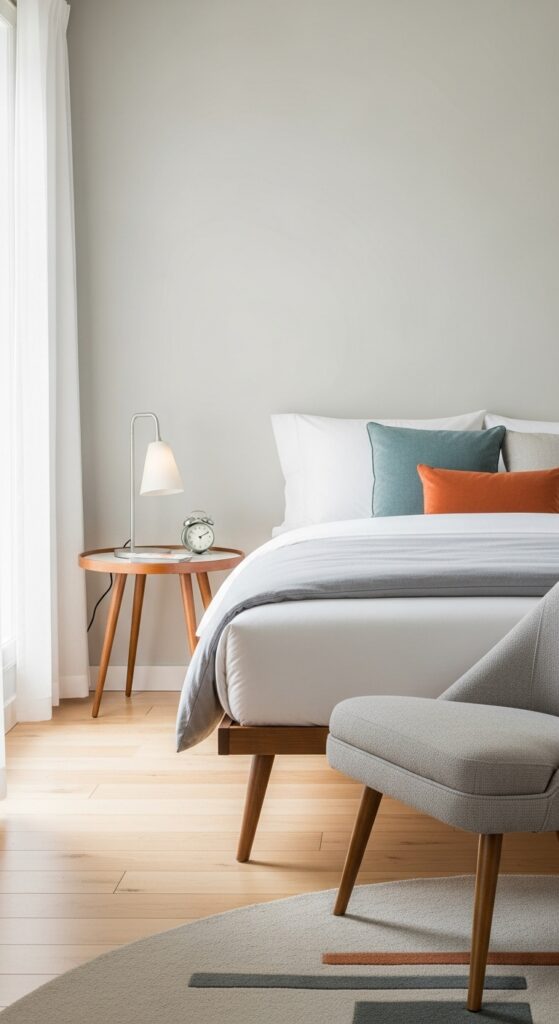
Furniture raised on visible legs creates visual breathing room by allowing floor space to remain visible beneath and behind pieces. This transparency makes rooms feel less crowded because eyes can see through and beyond furniture rather than stopping at solid bases. The visible floor continuity creates the illusion of more square footage even though the actual usable space remains unchanged. Choose beds, nightstands, dressers, and seating with slender legs rather than heavy bases or skirted designs that reach the floor and create visual heaviness.
Mid-century modern furniture naturally features the exposed leg design that works beautifully in small bedrooms, combining functional storage with visual lightness. The elevated furniture also makes cleaning easier by allowing vacuum cleaners and mops to reach underneath, maintaining cleanliness in tight spaces. Tapered legs or hairpin-style supports create especially delicate appearances that minimize visual weight. Avoid furniture with solid sides that create visual barriers and make spaces feel enclosed. The see-through quality of legged furniture maintains open sight lines across the room, preventing the blocked, choppy feeling that develops when every piece touches the floor.
Install a Murphy Bed or Wall Bed
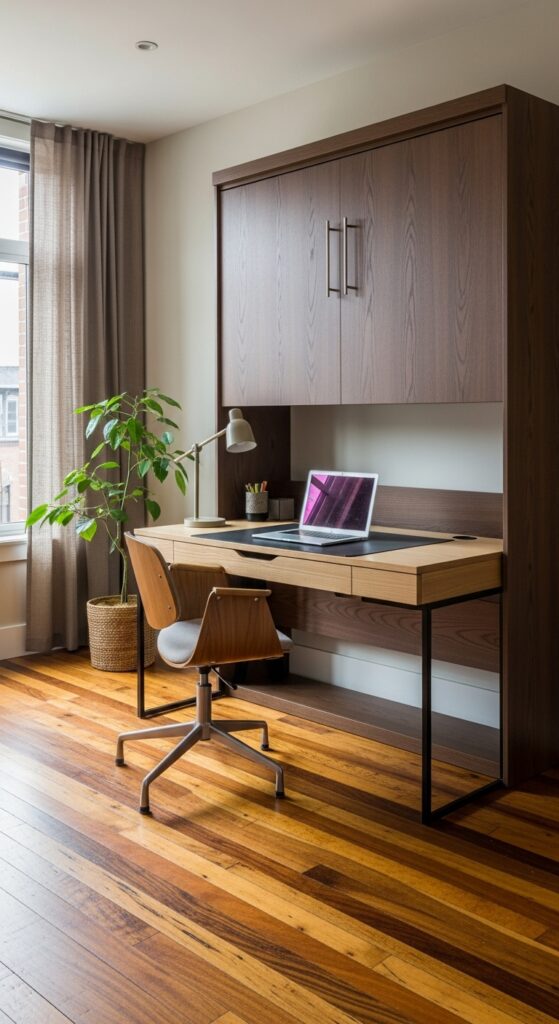
Murphy beds that fold into walls or cabinets revolutionize tiny bedroom functionality by reclaiming floor space during waking hours. These ingenious mechanisms transform bedrooms into multi-purpose spaces—home offices by day, sleeping quarters by night. Modern Murphy beds feature sophisticated hardware that makes raising and lowering easy and safe, unlike the unwieldy contraptions of the past. Many designs incorporate desks, shelving, or sofas into the closed cabinet face, creating beautiful functional furniture that disguises the bed’s presence entirely when folded away.
The space transformation allows tiny bedrooms to serve double duty, especially valuable in studio apartments or small homes where every room must earn its keep. Quality Murphy bed systems include proper mattress support for comfortable sleeping without compromise. The initial investment costs more than traditional bed frames but pays dividends in recovered square footage and increased room versatility. Consider custom built-in options that maximize your specific space constraints and aesthetic preferences. The radical space efficiency makes Murphy beds ideal solutions for guest rooms that sit empty most days or children’s rooms where play space is equally important as sleeping space.
Use Lucite or Glass Furniture
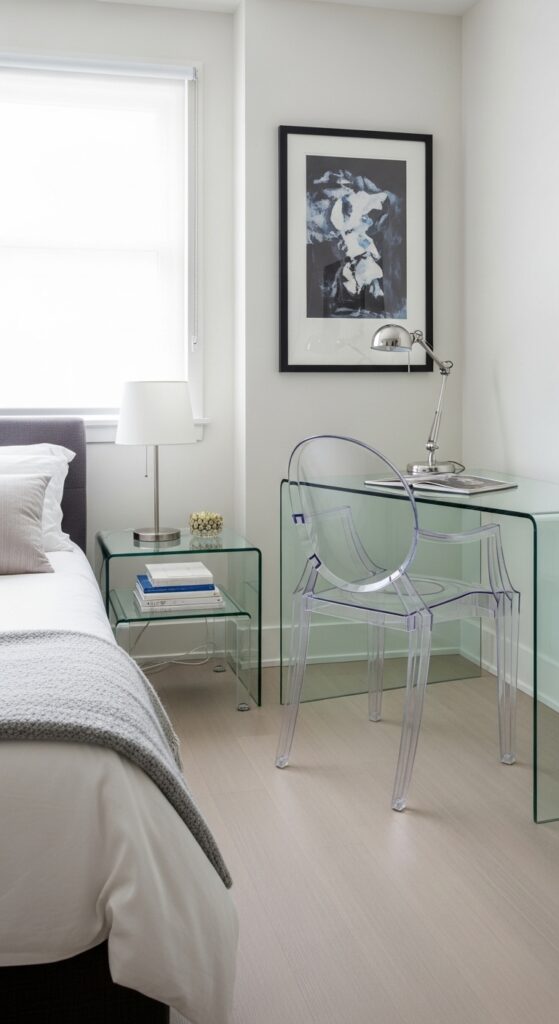
Transparent furniture made from acrylic, lucite, or glass virtually disappears visually while providing full functionality. These see-through pieces allow light and sight lines to pass through uninterrupted, creating the perception of more open space. A clear acrylic chair or glass nightstand serves its purpose without adding visual weight that opaque furniture contributes. This approach works especially well for accent pieces like seating, side tables, or desk chairs where transparency doesn’t compromise functionality but significantly reduces visual clutter.
The modern sophisticated aesthetic of transparent furniture suits contemporary design schemes beautifully while solving practical spatial challenges. Glass or acrylic surfaces reflect light similarly to mirrors, contributing to overall room brightness. The disappearing quality means these pieces won’t compete with other design elements or overwhelm small spaces with their presence. Combine transparent furniture with solid pieces strategically—perhaps a glass nightstand beside a traditional upholstered bed—to balance visual interest with spatial openness. The higher maintenance required to keep glass and acrylic clean and smudge-free is offset by the significant spatial benefits these magical disappearing pieces provide.
Paint the Ceiling a Lighter Shade
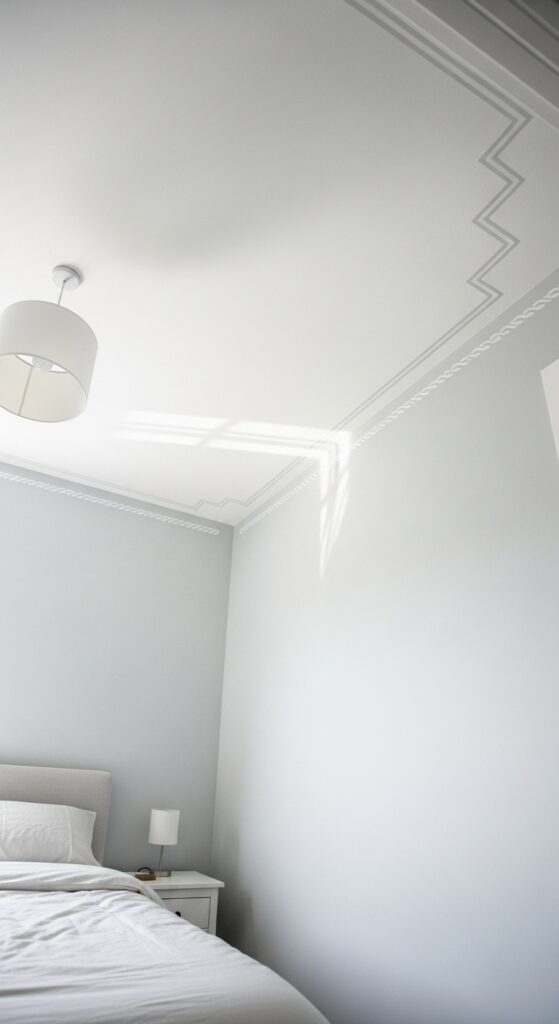
Painting ceilings in lighter shades than walls creates upward visual movement that makes rooms feel taller and more spacious. Even in already light rooms, making the ceiling the lightest element draws eyes upward and creates the illusion of additional height. Traditional white ceilings work beautifully, but consider pale blue ceilings that mimic sky and create subconscious associations with open outdoor space. The color contrast, even if subtle, adds dimensional interest that makes rooms feel more architecturally complex and spacious.
The technique works especially well in rooms with lower ceilings where height limitations create potential claustrophobia. Light reflecting off pale ceilings bounces downward, improving overall room illumination while making the ceiling plane seem farther away. Avoid the common mistake of painting ceilings and walls the same color in small spaces—the lack of distinction can actually make rooms feel smaller by eliminating dimensional cues. The ceiling treatment costs minimal additional effort during painting projects but delivers meaningful perceptual benefits. Consider extending wall color slightly onto the ceiling perimeter to create a shadow line that further emphasizes height while maintaining the lighter ceiling center.
Incorporate Built-In Window Seating with Storage
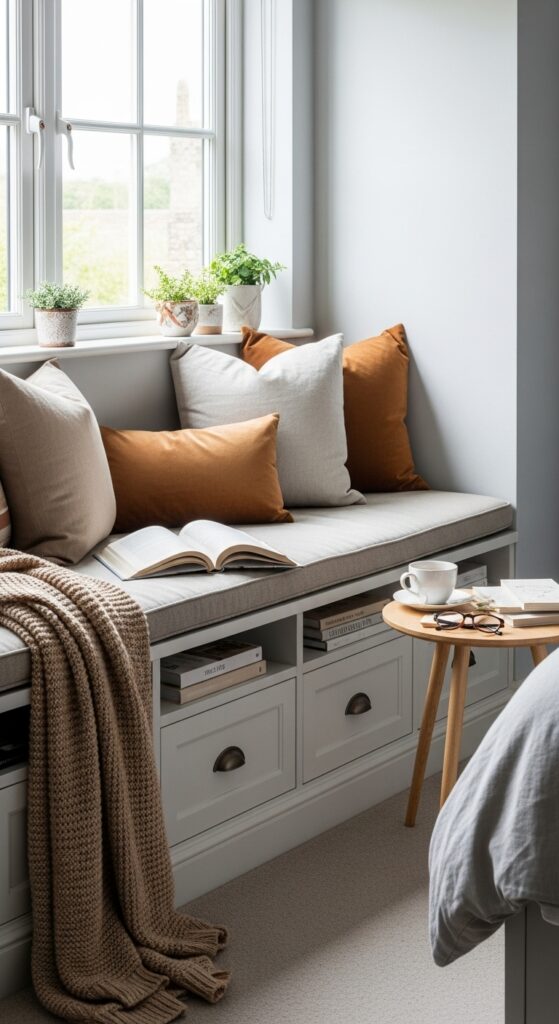
Window seats with built-in storage transform awkward window areas into functional seating while providing valuable storage underneath. These architectural elements make beautiful use of space that often remains empty or awkwardly furnished. The built-in approach eliminates furniture pieces that would otherwise occupy floor space—you gain both seating and storage without adding separate furniture. Cushioned window seats create charming reading nooks or relaxation spots that capitalize on natural light while the storage below houses books, linens, or seasonal clothing.
Custom built-ins can be designed to perfectly fit your window dimensions and specific storage needs, maximizing every inch of available space. DIY versions using stock cabinets topped with cushions provide more affordable alternatives to custom carpentry while delivering similar benefits. The window seat becomes a focal point that adds architectural character to otherwise plain bedrooms, increasing perceived value and charm. Consider incorporating bookshelves into the sides of window seats for additional storage and display space. The multifunctional nature makes these features especially valuable in children’s rooms or small apartments where every element must work hard to justify its space.
Hang Pendant Lights Instead of Table Lamps
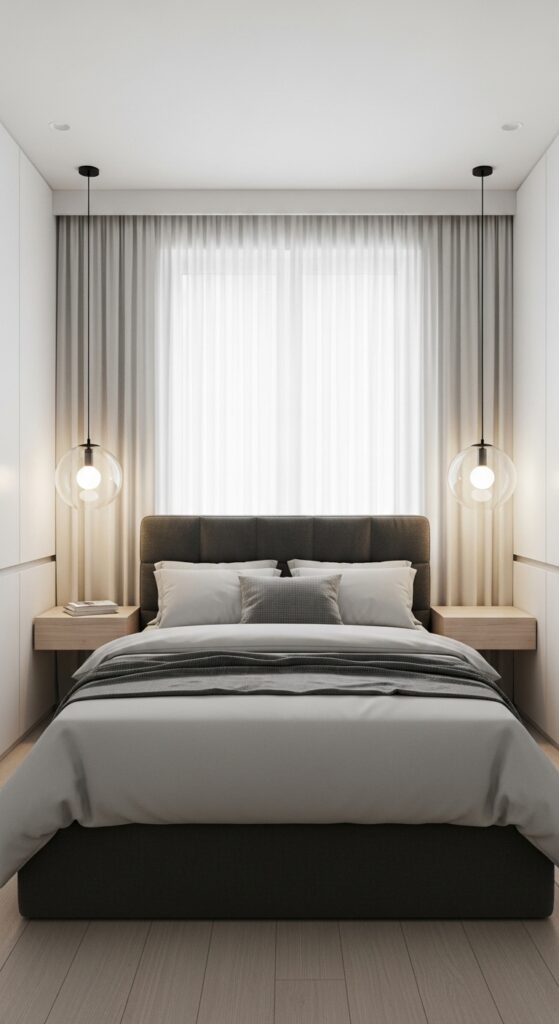
Pendant lights suspended from the ceiling eliminate bedside table lamps that consume valuable nightstand surface area. The hanging fixtures provide necessary reading light while freeing surfaces for books, water glasses, phones, or decorative items. This approach creates cleaner visual lines and more usable surface space in rooms where every inch matters. Choose pendants with adjustable heights or swing arms for flexible positioning that directs light exactly where needed for comfortable reading without permanent fixed positions.
The vertical suspension draws eyes upward, emphasizing ceiling height and creating the perception of taller rooms. Pendant lights also contribute to sophisticated modern aesthetics that feel intentional and designed rather than default or makeshift. Select fixtures with proportions appropriate to your room size—oversized pendants overwhelm tiny spaces while too-small fixtures look tentative and ineffective. Consider coordinating pendant styles on both sides of the bed for symmetrical elegance, or mix complementary designs for eclectic personality. The hardwired installation requires more effort than plugging in lamps but delivers permanent solutions that maintain cleaner, more spacious-feeling bedrooms.
Create a Monochromatic Color Palette
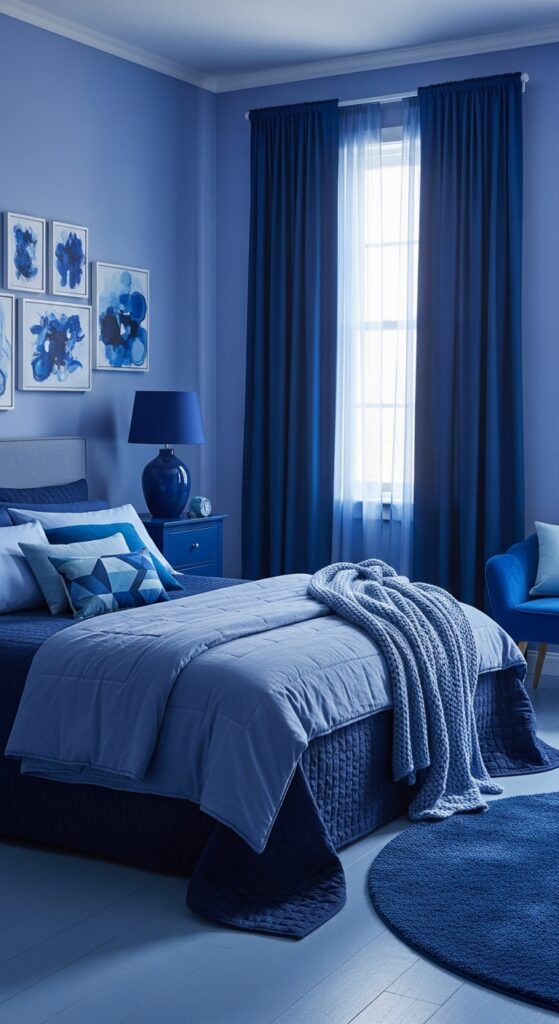
Monochromatic color schemes using varying shades of a single color create visual continuity that makes spaces feel larger and more cohesive. The unified palette eliminates the visual stops created by contrasting colors, allowing eyes to move smoothly throughout the space without interruption. Choose a color family you love—various blues, greens, grays, or warm neutrals—and layer different values from light to dark. The tonal variation provides interest and depth while maintaining the expansive quality that color consistency creates.
This approach simplifies decorating decisions since everything must work within the chosen color family, reducing overwhelming options. The sophisticated restraint creates calming environments perfect for bedrooms where relaxation is paramount. Introduce variation through texture rather than color—rough linen, smooth wood, nubby wool, and sleek metal all within your chosen color palette. The monochromatic scheme allows pattern play without chaos—stripes, florals, geometrics all work together when sharing the same color story. This design approach proves that limitation breeds creativity, resulting in rooms that feel thoughtfully curated, spacious, and serene.
Install Sliding Barn Doors
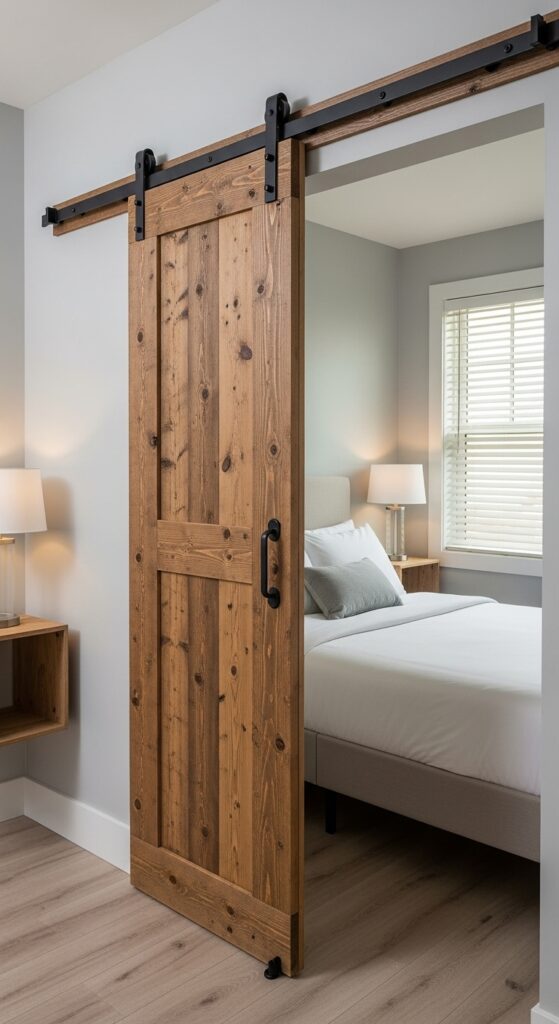
Sliding barn doors mounted on tracks eliminate the floor space required for traditional swinging doors to operate. This space reclamation can be significant in tiny bedrooms where every square foot matters. The door slides parallel to the wall rather than swinging into the room, freeing up the arc of space that swinging doors require to remain clear. Modern barn door hardware comes in various styles from industrial to minimalist, allowing you to match your aesthetic while gaining functional benefits.
The statement-making doors also add architectural interest and personality to otherwise plain bedrooms. Choose solid doors for privacy or frosted glass options that allow light transmission while maintaining seclusion. The installation does require wall space beside the door opening for the door to slide into when open, so measure carefully to ensure adequate clearance. The vertical board pattern of many barn doors creates subtle height-emphasizing lines. This practical solution combines farmhouse charm with modern space efficiency, proving that stylish and practical can coexist beautifully in small bedroom design.
Use Striped Patterns Strategically
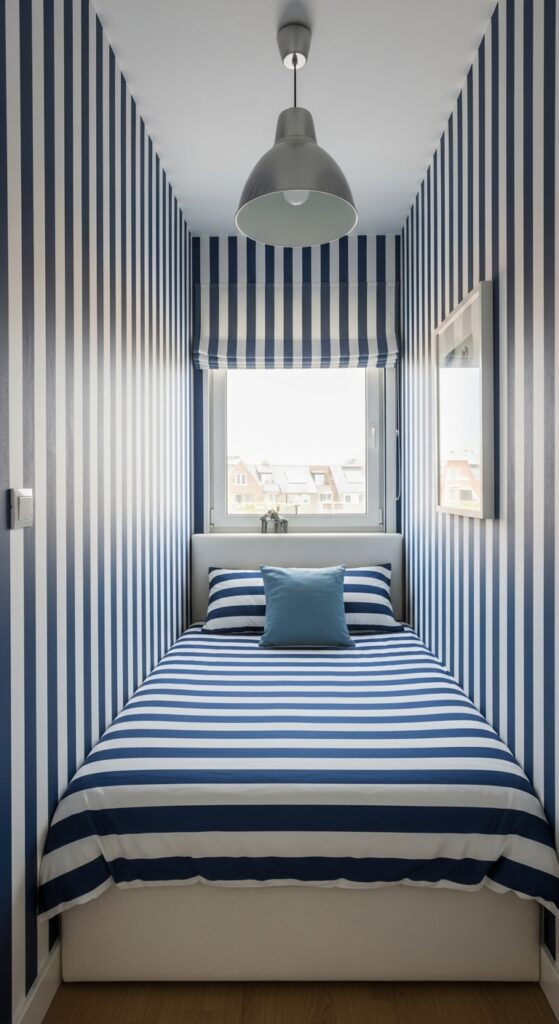
Vertical stripes on walls or curtains create upward visual movement that makes ceilings appear higher and rooms feel more spacious. The repeated lines draw eyes upward, creating the perception of increased height through optical illusion. Choose subtle tone-on-tone stripes for sophisticated effects that don’t overwhelm small spaces with pattern intensity. Horizontal stripes on bedding or area rugs can make narrow rooms appear wider by emphasizing width. Strategic stripe placement allows you to manipulate room proportions visually, making spaces feel more balanced and spacious.
Limit striped patterns to one or two elements to avoid visual chaos in compact spaces. A striped accent wall behind the bed creates focal interest without overwhelming, while coordinating solid colors throughout the rest of the room maintain calm. The graphic quality of stripes adds energy and personality while serving the practical purpose of spatial manipulation. Navy and white, gray and cream, or subtle tone-on-tone combinations work beautifully without feeling juvenile or overly busy. The directional quality of stripes provides an easy, affordable way to reshape how rooms feel without construction or major furniture investments.
Invest in Custom Closet Organization
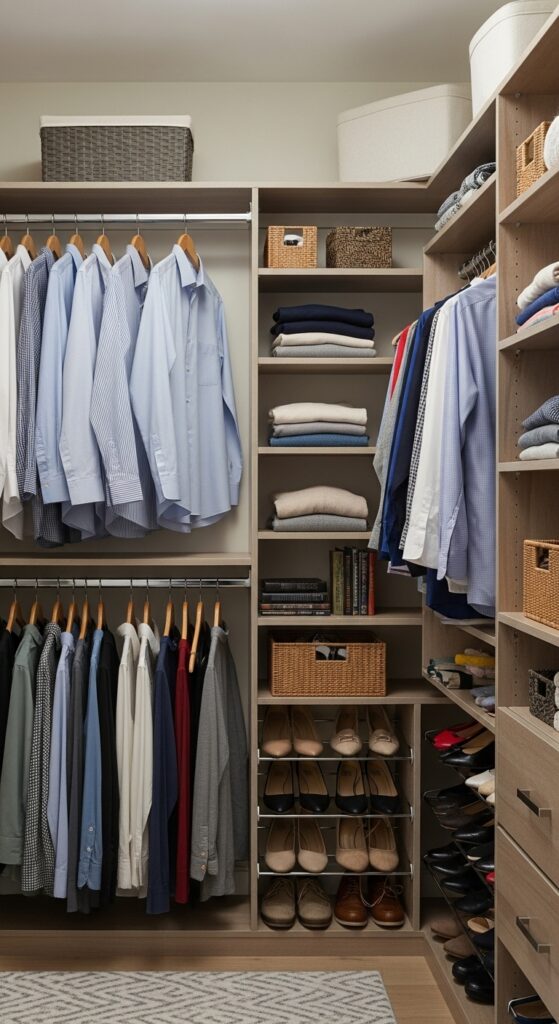
Professionally organized closet systems maximize storage capacity within existing closet footprints, eliminating overflow that spills into bedroom space. Custom configurations with double hanging rods, adjustable shelving, drawer inserts, and specialized storage for shoes and accessories utilize every cubic inch efficiently. The improved organization means more clothing fits in less space while remaining accessible and visible. This containment prevents bedroom furniture like dressers from becoming necessary, freeing floor space and reducing visual clutter that makes rooms feel cramped.
The investment in quality closet systems pays dividends in recovered bedroom space and reduced stress from disorganization. Even DIY solutions using modular wire shelving or customizable storage systems dramatically improve capacity over single rods and empty floors. Vertical divisions create zones for different clothing types, while pull-out accessories ensure nothing gets lost in dark corners. The organized visibility encourages wearing more of your wardrobe rather than repeatedly choosing the few visible pieces. Consider extending systems to ceiling height for seasonal storage, maximizing the vertical dimension. The contained, organized storage makes tiny bedrooms feel more spacious simply by eliminating the overflow clutter that develops when inadequate closets fail to accommodate belongings.
Choose a Daybed for Dual Functionality
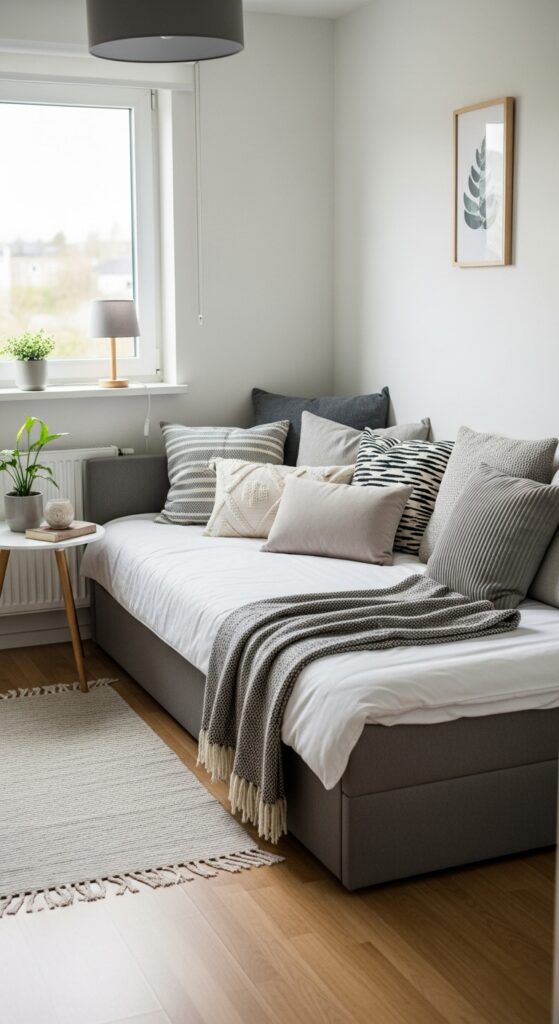
Daybeds function as both sofas and sleeping surfaces, making them perfect for small bedrooms that must serve multiple purposes. During daytime hours, the daybed acts as comfortable seating with throw pillows arranged decoratively. At night, it converts to a proper bed with appropriate sleeping pillows and bedding. This dual functionality proves especially valuable in studio apartments, guest rooms, or children’s bedrooms where separating sleeping and living areas is impossible. The sofa-like appearance makes bedrooms feel less bedroom-focused and more like flexible living spaces.
Modern daybeds come in sophisticated styles that don’t scream “guest bed,” instead looking like intentional design choices. Many include trundle beds underneath for additional sleeping capacity without consuming extra floor space when not in use. Position daybeds lengthwise against walls to maximize floor space and create defined seating areas. Add side tables and lamps to complete the sofa-like atmosphere during waking hours. The multifunctional nature proves that small bedroom furniture must work harder to justify its presence, combining multiple purposes in single pieces rather than requiring separate furniture for each function.
Minimize Window Treatments
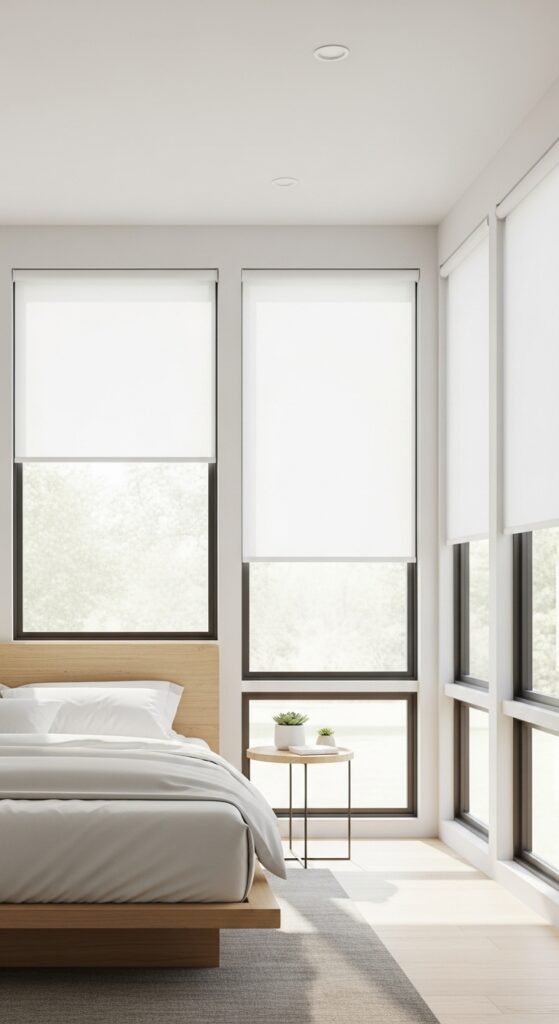
Heavy curtains and elaborate window treatments can overwhelm small bedrooms and block precious natural light that makes spaces feel larger. Simple roller shades, minimal roman shades, or plantation shutters provide necessary privacy and light control without visual bulk. Choose treatments in light colors that blend with walls rather than creating dark contrasting elements. The streamlined approach keeps windows architecturally clean and allows maximum light penetration when treatments are open, flooding rooms with brightness that expands perceived space.
Consider sheer panels for privacy without complete light blockage, or eliminate treatments entirely in bedrooms with adequate privacy from neighboring buildings. The minimal approach also reduces visual clutter and makes windows appear larger and more impressive architectural features. Mounting treatments inside window frames rather than extending beyond creates cleaner lines and prevents windows from appearing smaller than their actual size. The simplified windows maintain focus on natural light and outdoor views rather than decorative fabric. This restraint proves that sometimes less truly is more, especially in compact bedrooms where every design element must justify its presence.
Use Mirrored Closet Doors
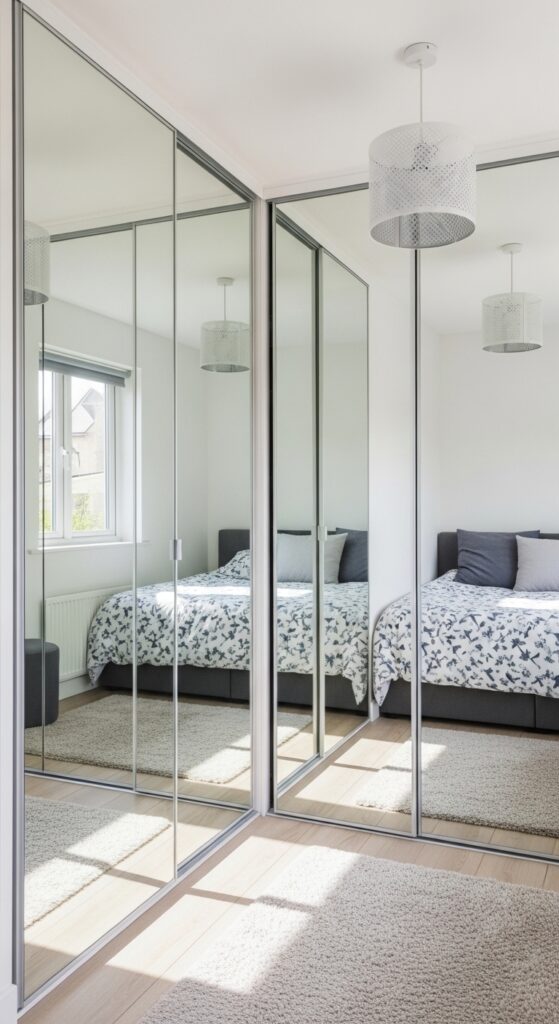
Mirrored closet doors serve dual purposes—providing necessary full-length mirrors while creating powerful spatial illusions that make rooms feel dramatically larger. The large reflective surfaces essentially double the perceived room size by reflecting the entire space back on itself. This intervention delivers perhaps the strongest spatial impact of any single design choice. The mirrors bounce light throughout the room, increasing overall brightness while serving the practical function of allowing outfit checks. The architectural integration means no floor space is consumed by separate mirrors.
While mirrored doors come standard in many apartments and homes, you can retrofit existing closets with mirror panels or mirrored sliding doors. Keep reflected surfaces relatively uncluttered since mirrors will amplify any mess or chaos. The large mirrored expanse works best when reflecting attractive room elements—position beds and furniture with consideration for what the mirrors will show. Regular cleaning maintains the reflective clarity that creates the spatial illusion. The combination of function and spatial expansion makes mirrored closet doors one of the most valuable features for tiny bedrooms, especially when alternative wall space for mirrors is limited.
Incorporate Wall-Mounted Nightstands
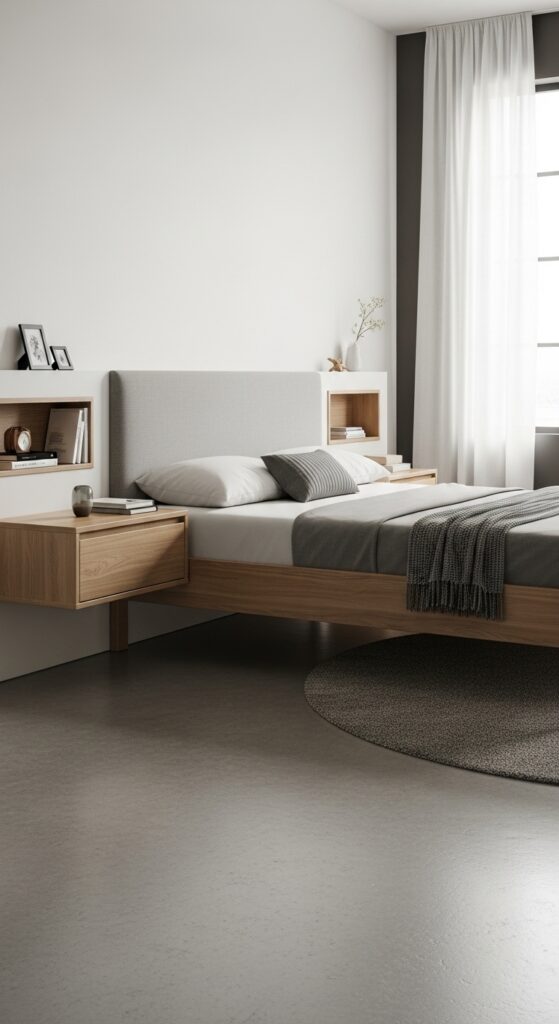
Wall-mounted floating nightstands eliminate floor footprints while providing essential bedside surfaces for lamps, books, and personal items. The suspended design creates clean modern aesthetics while making floors appear larger by keeping space visible and unobstructed. These minimal shelves or small cabinets attach directly to walls at appropriate heights beside beds, providing sufficient surface area without bulky traditional nightstands. The floating quality contributes to airy, spacious feelings essential in tiny bedrooms where floor space is precious.
Choose wall-mounted options with small drawers or shelves for storing items you want hidden from view while keeping surfaces clear. The installation requires finding wall studs or using appropriate anchors to support weight safely. Consider coordinating heights precisely on both bed sides for symmetrical balance, or vary heights intentionally for eclectic personality. The minimal surface area encourages curating what you keep bedside rather than accumulating clutter. This space-saving approach proves especially valuable in narrow bedrooms where traditional nightstands would create cramped passages. The modern floating aesthetic signals intentional design thinking while solving practical spatial challenges elegantly.
Create an Accent Wall with Depth
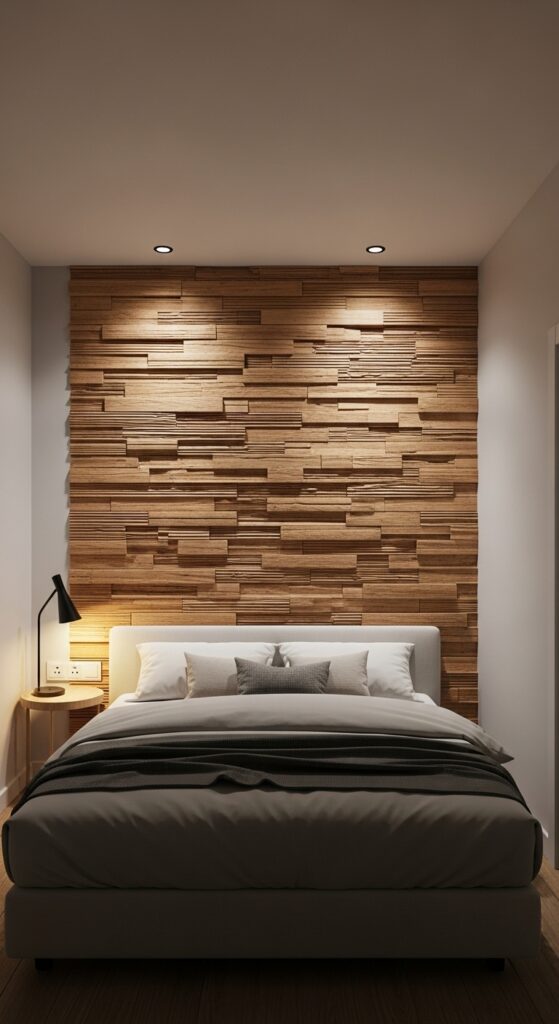
A textured or three-dimensional accent wall behind the bed creates visual interest and focal points without consuming any floor space. Wood planks, textured wallpaper, or dimensional tile create depth and shadow that make walls feel less flat and more architecturally interesting. This added dimension paradoxically makes rooms feel more spacious by creating layered visual interest that suggests complexity and sophistication. The feature wall approach allows you to make bold design statements on one surface while keeping remaining walls neutral, maintaining overall spatial openness.
Choose materials and patterns with vertical orientation to emphasize height, or horizontal elements to make narrow rooms appear wider. The textural quality catches and reflects light in interesting ways throughout the day as sun angles change, creating dynamic environments. Limit accent treatments to the wall behind the bed to avoid overwhelming small spaces with too much pattern or texture. The focal point draws attention intentionally, creating visual hierarchy that makes rooms feel designed rather than default. This approach adds personality and character without furniture or accessories that consume precious space, proving that architectural treatments can solve decorating challenges in space-constrained bedrooms.
Opt for a Loft Bed Configuration
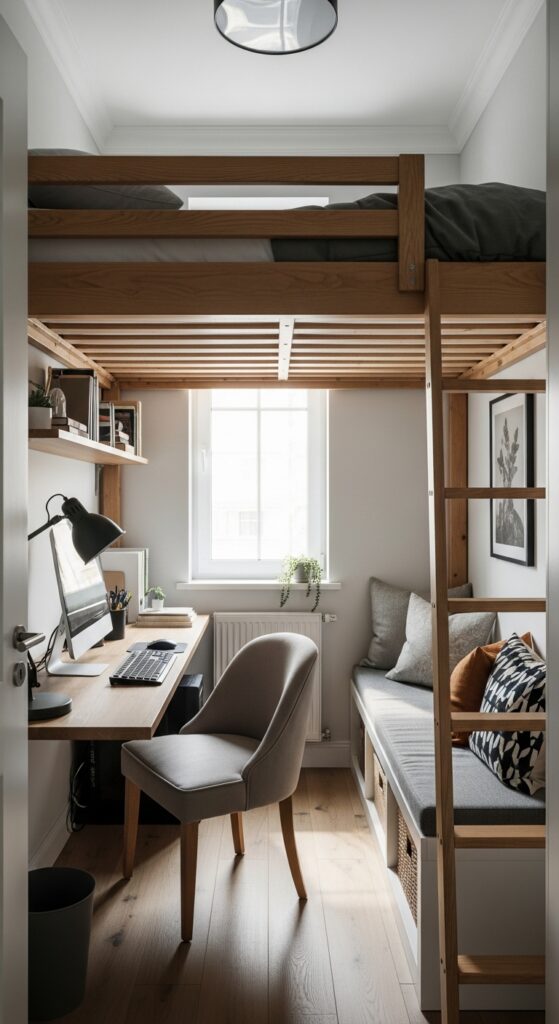
Loft beds elevate sleeping surfaces several feet above the floor, creating usable space underneath for desks, seating, storage, or dressing areas. This vertical stacking approach essentially doubles the functional space within the same square footage footprint. The configuration works especially well in bedrooms with good ceiling height where the elevated bed doesn’t create oppressive feelings. Modern loft bed designs for adults feature sophisticated aesthetics beyond typical college dorm furniture, with quality construction and stylish finishes appropriate for permanent home installations.
The underneath area can be customized for specific needs—a complete workspace with desk and shelving, a cozy reading nook with seating, or extensive storage with dressers and closet systems. Consider ceiling fan placement and ensure adequate headroom both in the loft sleeping area and the space below. The dramatic space multiplication makes loft beds ideal for studio apartments or tiny bedrooms where separating sleeping and living functions is impossible at ground level. Quality loft beds with sturdy construction and proper mattress support provide comfortable sleeping without compromise while revolutionizing how tiny bedrooms function and feel throughout waking hours.
Conclusion
Creating spacious-feeling bedrooms in tiny footprints requires strategic thinking and intentional design choices that maximize every inch. These twenty-one ideas prove that limited square footage doesn’t condemn you to cramped, claustrophobic sleeping spaces. From optical illusions created through mirrors and light colors to functional innovations like Murphy beds and loft configurations, multiple strategies address spatial challenges from different angles. The most successful tiny bedrooms typically combine several approaches—perhaps white walls with floating shelves, transparent furniture with strategic mirrors, and multi-functional pieces that serve double duty.
Start by identifying which limitations most impact your specific space—inadequate storage, poor natural light, low ceilings, or awkward proportions—then prioritize solutions addressing those particular challenges. You don’t need to implement every suggestion; instead, select interventions that resonate with your aesthetic preferences and practical needs. Remember that decluttering remains fundamental to any small space strategy—even the cleverest design tricks can’t overcome overwhelming amounts of stuff. With thoughtful implementation of these space-expanding techniques, your tiny bedroom can feel like a serene, spacious retreat that nurtures rest and rejuvenation, proving that smart design trumps square footage every time.